
Last updated November 22, 2026
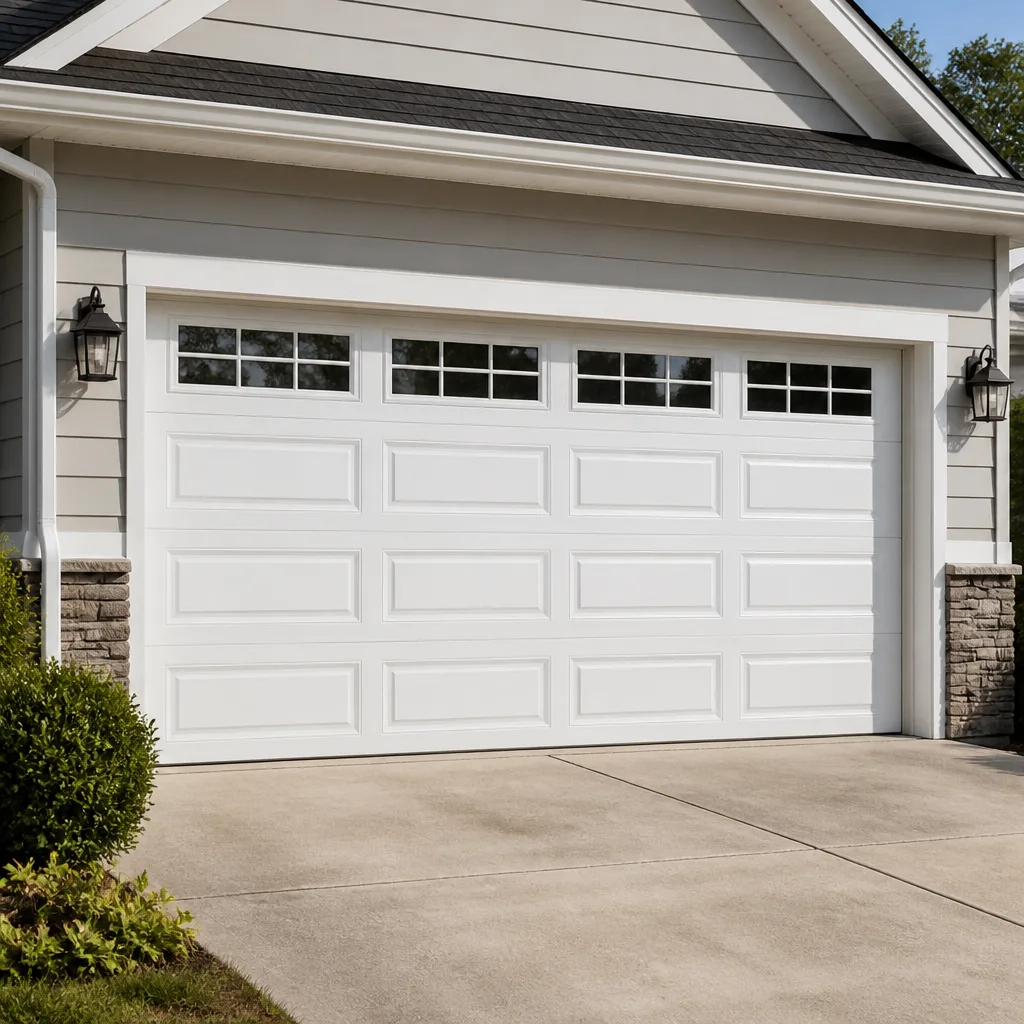 Raised-panel steel
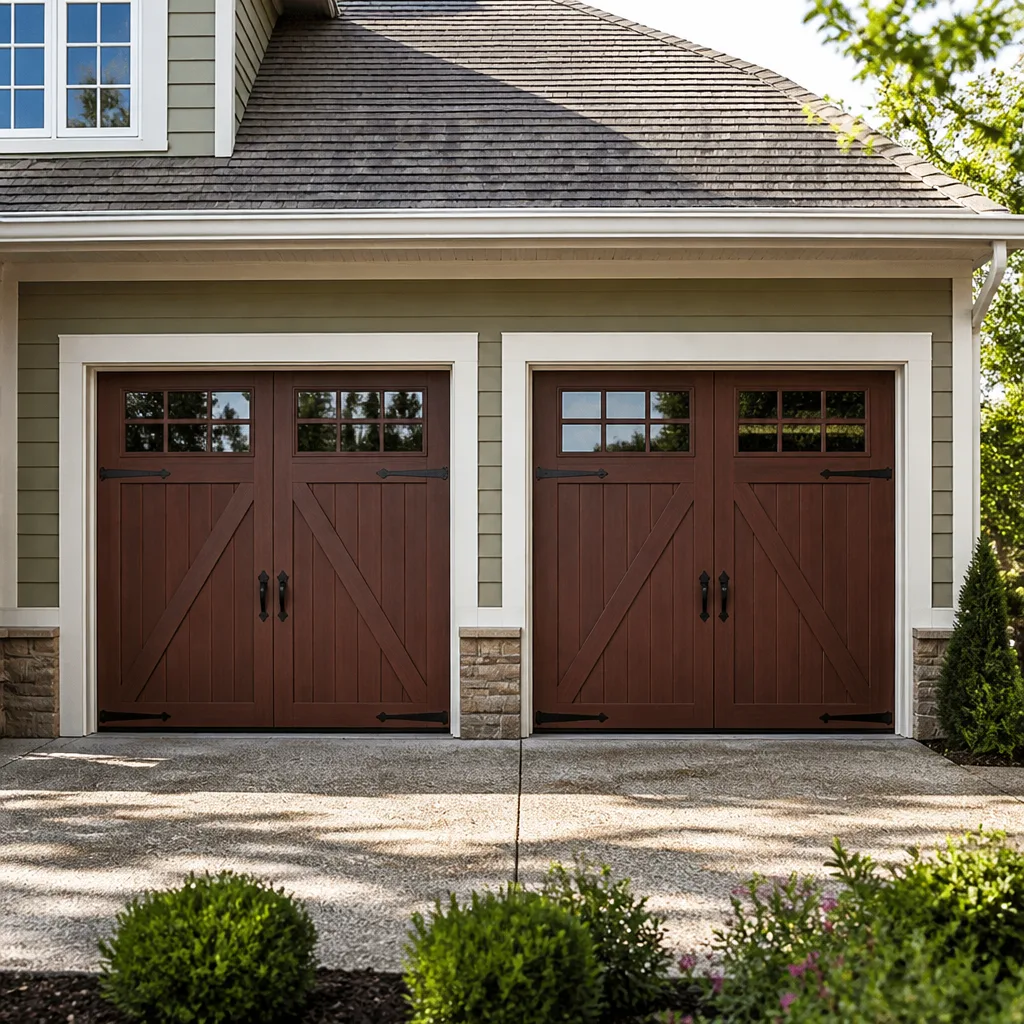 Carriage house
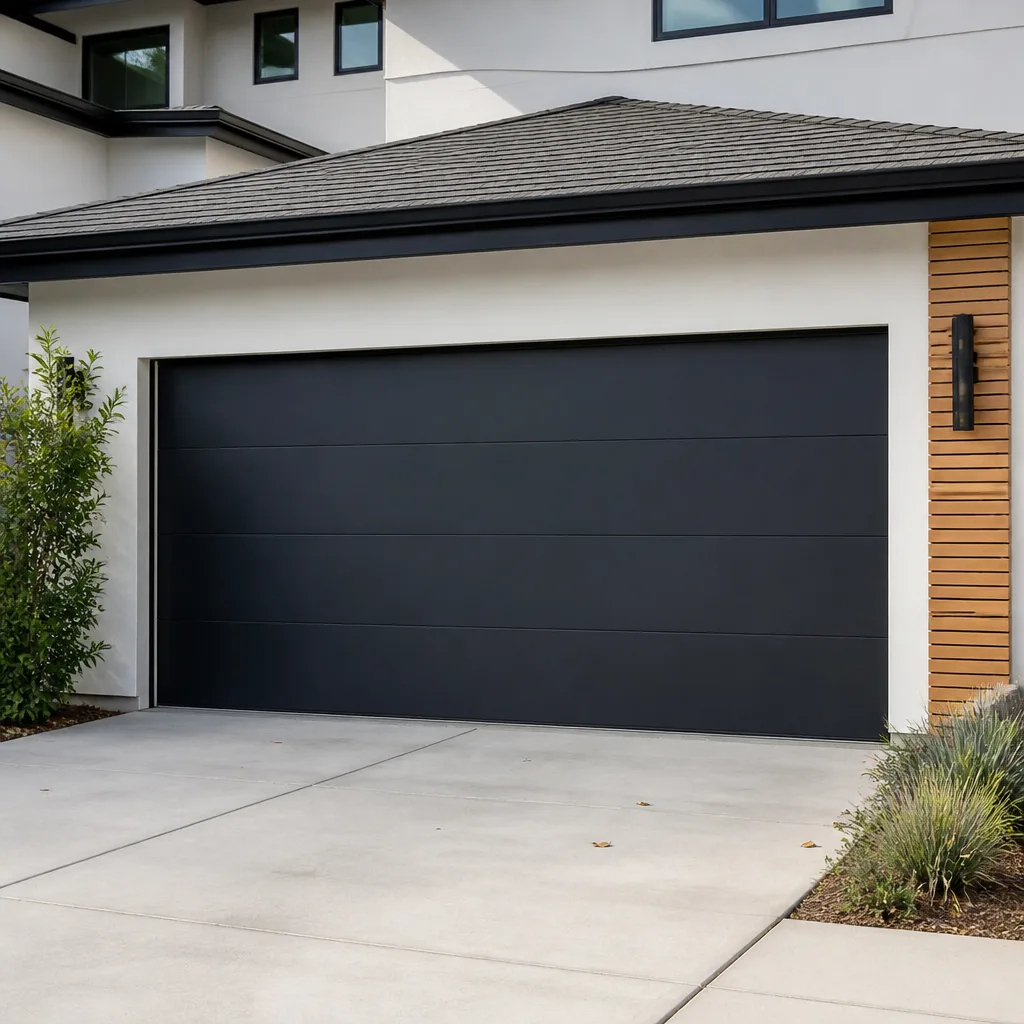 Modern flush
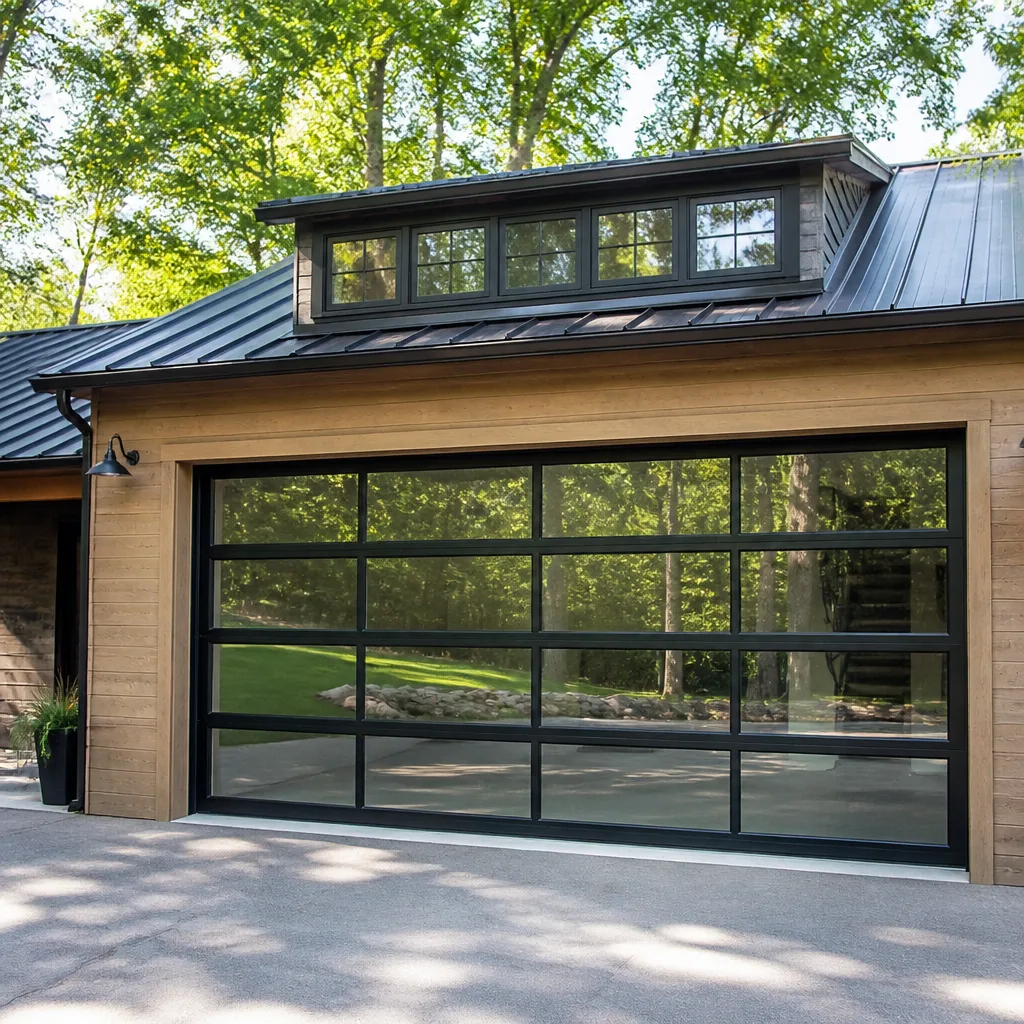 Full-view glass
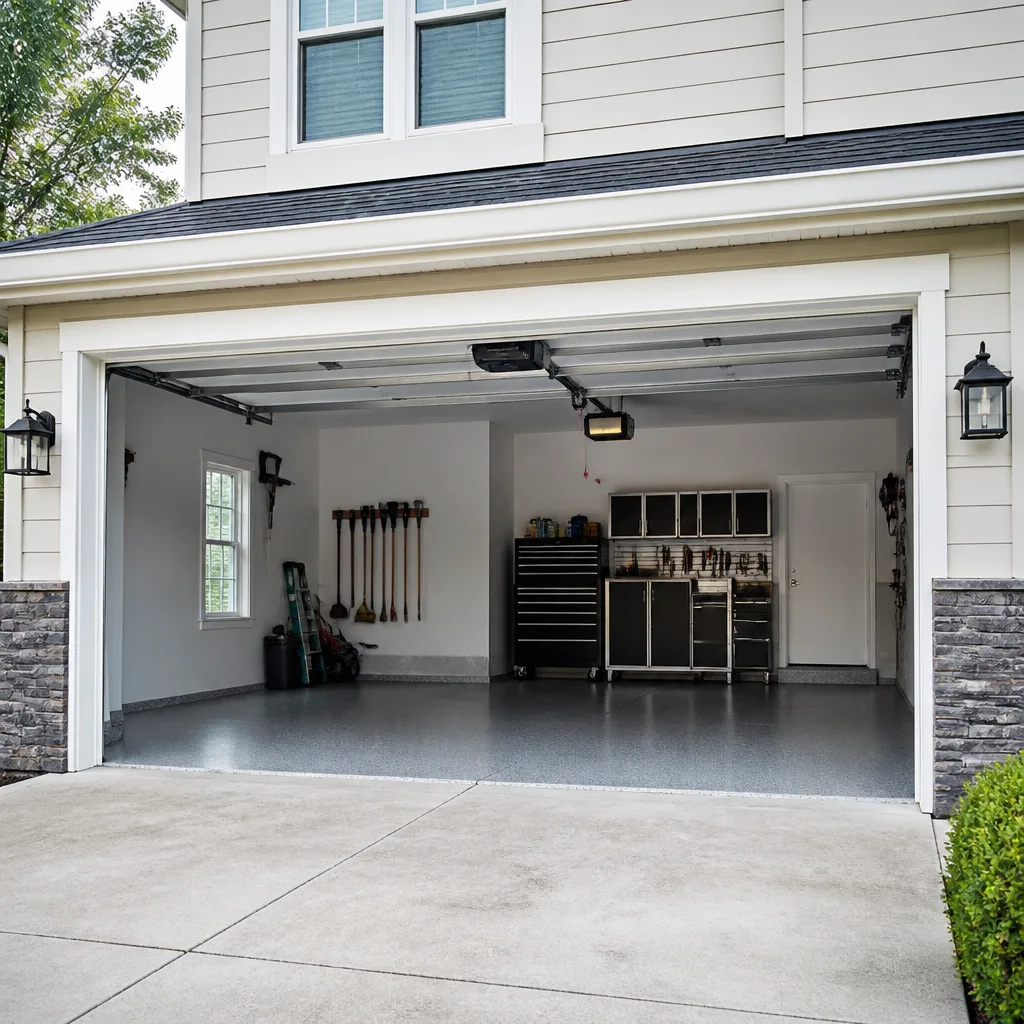 LiftMaster openers
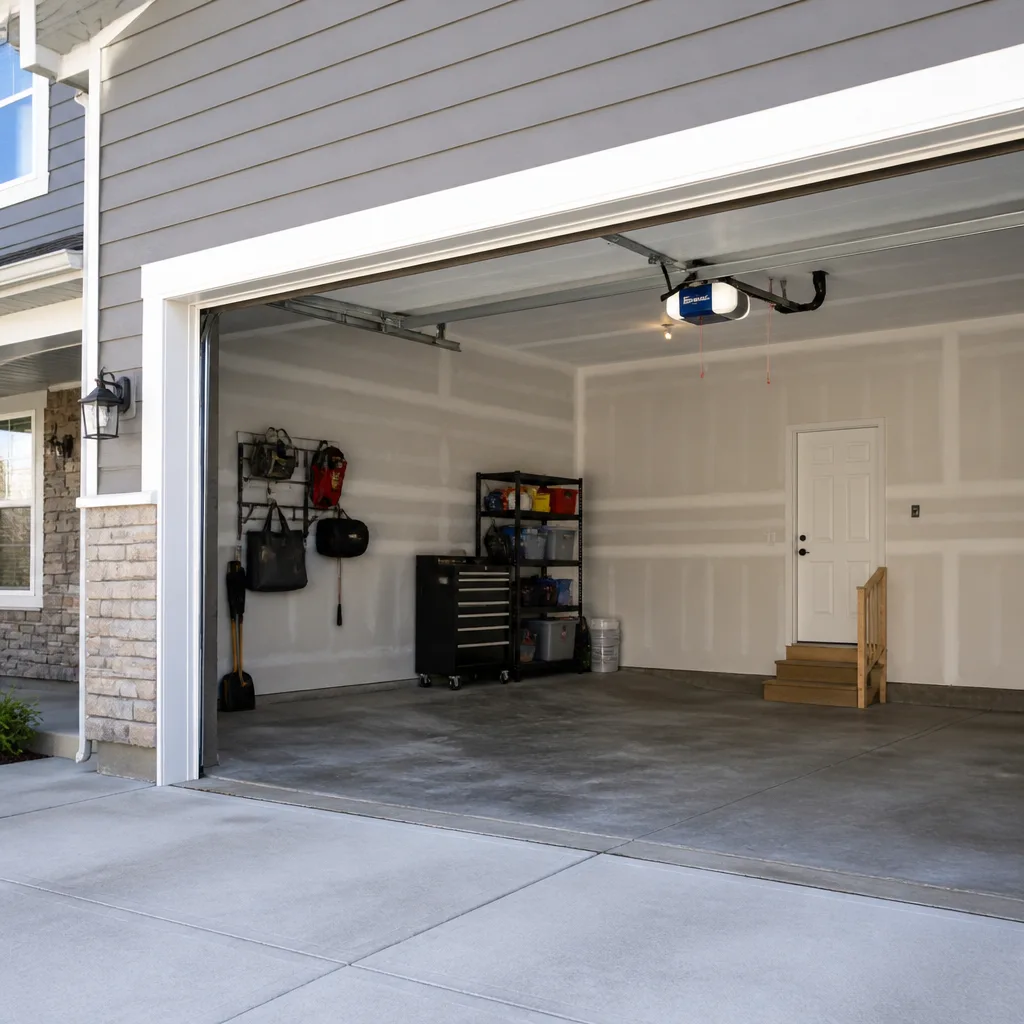 Chamberlain openers
Full 25-point door and opener safety check with every visit - springs, cables, rollers, tracks, and your LiftMaster or Chamberlain opener included
You get a price before we start. It does not change when the pro arrives.
Get your free estimateSeasonal Garage Door Care for Plymouth: Year-Round Homeowner’s Guide
Most homeowners in Plymouth treat garage door maintenance as a single annual chore, usually squeezed into a fall weekend. That habit misses the point of how a garage door actually wears out in this town. The parts that fail are rarely the parts that look worn. A torsion spring that passed every visual check in December is often the one that lets go in April, and the wooden door that opened smoothly all winter is the one that jams in July. Plymouth’s weather doesn’t glide from season to season, it lurches: a nor’easter in March, thick bay humidity in August, a hard freeze in January. Each shift puts a different load on the same hardware. This guide walks through what to check, and when, so you’re inspecting on your schedule rather than reacting to a failure.
Quick Answer
Garage door care in Plymouth follows four seasonal windows: a late-winter inspection before the spring thaw, a spring tension check in the two weeks after the last hard freeze, a summer check for humidity swelling and opener strain, and a fall prep before the first freeze that covers lubrication, weather seals, and balance. Seasonal care won’t prevent every failure, but it catches the wear that leads to most of them. When something has already broken, repair is a job for a trained specialist, not a weekend project.
Styles & brands we work with
- Raised-panel steel
- Carriage house
- Modern flush
- Full-view glass
- LiftMaster openers
- Chamberlain openers
Table of Contents
- Why Plymouth’s Seasons Are Harder on Garage Doors Than You’d Think
- Late Winter: The Inspection Window Before the Spring Thaw
- Spring: The Two-Week Window for Tension Checks
- Summer: When Humidity Makes a Door Look Broken
- Fall: Prep Before the First Hard Freeze
- Winter: What a Door Should and Shouldn’t Do in Sub-20°F Cold
- Storm Prep for Hurricane Season and Nor’easters
- Your Plymouth Garage Door Maintenance Calendar
Why Plymouth’s Seasons Are Harder on Garage Doors Than You’d Think
A garage door is a machine that lives outdoors but is expected to work like an indoor appliance. In Plymouth it spends part of the year at temperatures cold enough to stiffen every seal and lubricant on it, and part of the year in humid air that swells wood and loads down the opener. The hardware doesn’t get a break between those extremes.
The bigger issue is how the seasons arrive here. Winter doesn’t end gradually. The ground freezes and thaws repeatedly through late winter and early spring, and each of those cycles works metal and seals in a way a single cold snap doesn’t. Summer brings humidity rolling in off the bay, and that moisture finds its way into every gap on a wooden or composite door. Then fall comes with its own deadline: the first hard freeze, after which it’s too late to prep for the cold. None of this is unusual for New England. What makes it worth planning around is that the stresses stack. A door that’s already slightly out of balance in October meets a frozen threshold in January and a swollen frame in July.
That’s the argument for seasonal care rather than annual care. The tasks are different at each transition because the failure modes are different. Our technicians have up to 15 years of experience working on doors through these cycles, and the pattern is consistent: the doors that fail at the worst possible moment are usually the ones that missed a check two seasons earlier. For a full picture of what year-round care looks like on a specific service, our garage door repair page covers the repair side in detail. This guide focuses on timing: what to do, and when, so the repair list stays short.
Late Winter: The Inspection Window Before the Spring Thaw
Late winter is the most important inspection window of the year in Plymouth, and it’s also the one most homeowners skip. The reasoning is simple: the door has just come through weeks of freezing and thawing, and the metal in the springs and cables has been stressed repeatedly without a break. Torsion springs don’t usually fail during the coldest week. They fail in the weeks after, when the metal has been worked by cycles it wasn’t designed for and then gets a small, unremarkable demand placed on it.
What to look for in late winter doesn’t require touching anything that carries tension:
- Spring appearance: Look at the torsion spring above the door. Any visible gap in the coil, or a spring that looks stretched compared to how it sat in the fall, deserves a professional look.
- Cable condition: Check that the cables running down each side are taut and sitting correctly in their drums. Fraying, kinks, or a cable that’s jumped its groove are all stop signs.
- Door balance: Disconnect the opener and lift the door halfway by hand. It should stay put, roughly where you left it. A door that drifts down on its own is telling you the spring has lost tension.
- Track alignment: Run your eye along each track. Freeze-thaw cycles shift the ground a little, and a track that’s pulled slightly out of alignment will scrape every time the door moves.
- Weather seal: Look at the bottom seal and the perimeter seal. Cracking here is normal after a cold winter, but a seal that’s already separated lets in water that freezes and expands.
Why this matters in a Plymouth context: the spring thaw is when most torsion spring failures happen. Not because the spring is weaker in March, but because it’s been microfractured by cycles that looked harmless from the outside. An inspection in late winter catches the warning signs. Waiting until the door stops working means an emergency call, a trapped car, and a repair on the schedule of the failure rather than yours. If a spring has already shown you a gap, our garage door spring repair page explains why that’s a job for a specialist.
Spring: The Two-Week Window for Tension Checks
The two weeks after the last hard freeze is the window for a proper spring tension check, and the timing matters more than most people realize. A torsion spring is under constant load, and the load varies with temperature. During a freeze the metal contracts; during a thaw it expands. Repeated cycling between those states produces a form of fatigue that a single temperature doesn’t. Metallurgically, the window after the freeze ends is when the metal has just come through its hardest annual workout. That’s when it’s most worth having a trained professional check the actual tension, not just the appearance.
- Wait for the last hard freeze. In Plymouth, that’s usually sometime in late March or early April. A hard freeze after the check just restarts the cycle.
- Have the balance tested. The door should lift and lower with even effort and should stay in place at any point in its travel when disconnected from the opener. A professional will test this properly rather than by eye.
- Have the tension compared to spec. A spring that’s lost tension will still open the door, just with more effort from the opener. That extra effort is what kills openers early.
- Check the opener’s response. If the opener sounds like it’s working harder than it did last spring, the spring may be the cause and the opener may be the symptom.
- Plan the repair before it’s an emergency. If the tension is off, a spring replacement on a normal schedule is far easier than one after a failure.
One hard safety caveat, and it’s the one that matters most on this page: torsion springs and the cables attached to them are under extreme tension and can cause serious injury. Never adjust, wind, unwind, or remove a spring or cable yourself. Visual checks are safe. Anything that involves touching the spring with a tool is a job for a trained professional. If your opener is the thing misbehaving, our garage door opener repair covers that separately, and the two jobs often overlap in spring.
Summer: When Humidity Makes a Door Look Broken
Plymouth summers bring humidity that does something to wooden and composite doors that looks exactly like a mechanical failure but isn’t. The wood absorbs moisture from the air, swells slightly, and pushes against the frame. A door that opened cleanly in May starts binding in July, and the natural response is to assume something mechanical has gone wrong. Often nothing has. The door has swollen, the gaps have closed, and the opener is fighting a slightly larger door in a slightly smaller opening.
The symptoms to watch for, and how to tell the difference:
- Binding that comes and goes with the weather: If the door is stiff on a humid day and smoother on a dry one, the door itself is the variable. That points to moisture, not a broken part.
- A door that grinds against the frame on one side: Swelling is rarely even, and one side binding is common when a door takes on moisture.
- An opener that strains or reverses: A swollen door loads the opener on every open. If the opener was already near its limit, this is when it shows.
- Bottom seal dragging: A swollen door can press the bottom seal into the floor so hard the opener has to work to break it free.
What you can do in summer is adjust for the seasonal condition rather than the door. Keep the track clean and lightly lubricated, make sure the opener’s force settings are within the manufacturer’s range (a professional can check this), and don’t over-tighten anything that will need to expand again in the fall. If a wooden door (Clopay and Amarr both make wood-look and composite lines that respond to humidity) is binding every summer, the longer-term answer is usually seasonal adjustment or a closer look at the frame, not a mechanical repair. If the opener itself has failed, that’s a separate job, and it’s worth knowing that modern openers from LiftMaster, Chamberlain, and Genie handle the load of a swollen door differently than a legacy Craftsman or Raynor unit.
One thing to note: summer is also when a lot of Plymouth homeowners first notice their opener is undersized for the door it’s moving. That’s often a door weight issue rather than an opener issue, and it’s worth having checked before a season of strain turns into a failure.
Fall: Prep Before the First Hard Freeze
Fall prep in Plymouth has a hard deadline that generic autumn maintenance advice misses: the first hard freeze. After that, you’re not prepping for winter, you’re surviving it. The tasks that need to happen before the first freeze are the ones that protect the door through it.
- Lubricate every moving part. Hinges, rollers, and the torsion spring (a light application, never a soak) should all be lubricated with a product rated for cold weather. A standard lubricant that thickens in the cold can make a door sluggish all winter.
- Check the weather seal all the way around. Bottom seal, side seals, and the seal at the top. Cracks that are cosmetic in October become gaps that let in water and meltwater in January. Replace any seal that’s hardened.
- Test the door’s balance cold. The balance you test in October should be the balance you have in January. A door that’s slightly out of balance in mild weather will be noticeably worse in the cold.
- Have the spring tension checked. Same as spring, for a different reason: the fall check confirms the spring is loaded for the winter it’s about to face, not the summer it just came through.
- Clear the track and the ground. Any debris or vegetation that will freeze into the track should be cleared before it does. A frozen obstruction in the track can bend the door.
- Look at the opener’s battery backup. Most modern openers have one. A battery that’s a few years old may not hold through a cold snap. A professional can check it.
The one task that differs most from standard fall advice is the balance test in cold weather. A door’s balance is temperature-dependent because the metal and the seals respond differently to cold. Testing balance on a mild day doesn’t tell you much about how it’ll behave at 15°F. If you can, test it on a cold morning rather than a warm afternoon. If the balance is off, that’s a spring job, and a spring job is not a fall DIY project for the reasons above.
Winter: What a Door Should and Shouldn’t Do in Sub-20°F Cold
In sub-20°F temperatures, a garage door should open and close smoothly but with a small, expected amount of sluggishness. The seals are stiffer, the lubricant is thicker, and the metal is contracted. What a door should not do is reverse on its own, fail to close completely, or make a loud cracking or snapping sound. The line between normal cold-weather behavior and actual failure is worth knowing, because the two get confused every winter.
Normal in the cold:
- A door that opens a little more slowly than it does in summer.
- A slightly louder noise from the rollers on a very cold morning.
- A bottom seal that’s stiff and takes a second longer to settle as the door closes.
Not normal, and a sign of an actual problem:
- The door reversing before it reaches the floor. That’s a force-setting or obstruction issue, not the cold.
- The door stopping partway up. That’s usually a spring or track problem that cold has exposed.
- A loud crack or snap, followed by the door no longer lifting. That’s a spring failure, and it needs a professional, not a second attempt.
- The opener running without the door moving. That’s a connection or spring issue, and continuing to run it will make things worse.
What a homeowner should do when something isn’t normal in winter: stop using the door, and call for service. Running a failing door through a cold cycle is how a repairable spring becomes a bent door. What you shouldn’t do is try to force a stiff door or adjust anything with tension on it. The cold doesn’t make a spring safer to touch; if anything, the contraction makes failure more sudden. If a door fails on a Saturday, we’re closed that day, and we’ll book you for Sunday. The thing to remember is that winter failures are almost always the accumulation of wear from the earlier seasons, not the cold itself.
Storm Prep for Hurricane Season and Nor’easters
Plymouth sits in the path of both hurricane season and nor’easters, and the two put different demands on a garage door. What you can do about both is real but limited, and it’s worth separating the two clearly so you don’t expect more from a door than it can deliver.
What you can actually do before a storm:
- Close and lock the door manually. A manually locked door stays down if power fails or the opener is damaged.
- Clear the track and the area around the door. Loose objects that can strike the door are the most common cause of storm damage to a residential door.
- Check that the seal is intact. A door that lets wind-driven rain in around the perimeter can let water into the garage, and water plus wind is a much bigger problem than either alone.
- Have the door’s wind rating confirmed. If you don’t know your door’s rated wind load, that’s worth finding out before the storm, not after. The rating is a property of the door itself, and no amount of prep changes it.
What’s purely up to the door’s rated wind load: whether it holds up to a given storm. A door rated for a certain wind load is designed to a certain wind load, and a homeowner can’t upgrade that with preparation. This is where the door you have matters. Newer doors from manufacturers like Wayne Dalton and Clopay are built to specific ratings, and if you’ve had a door installed in recent years, the rating should be on the paperwork. If the rating is not what you need for the exposure on your site, the long-term fix is a door replacement, not a prep ritual. That’s a planning conversation, not an emergency one. For storm damage itself, which can’t be fully prevented, the fix is repair or replacement, and our Plymouth Garage Door Repair Co handles both.
Your Plymouth Garage Door Maintenance Calendar
Here’s the whole year in one place, so the timing is easy to keep:
- Late winter (late February to early March): Visual inspection of springs, cables, tracks, and seals. Watch for the warning signs of a spring about to fail. This is the highest-value check of the year in Plymouth, because the spring thaw is when most torsion springs fail.
- Spring (within two weeks of the last hard freeze): Professional spring tension check and balance test. Have the opener’s response checked at the same time, since a spring that’s lost tension loads the opener.
- Summer (June through August): Watch for humidity-related binding, especially on wooden or composite doors. Keep tracks clean and lubricated. Check the opener isn’t straining on a swollen door.
- Fall (before the first hard freeze): Lubricate everything with a cold-rated product, replace any hardened weather seal, test balance on a cold morning, and have the spring tension checked again.
- Winter: Use the door normally but know the difference between cold-weather sluggishness and real failure. Stop and call if something isn’t right.
- Storm season (watch the forecast): Lock the door manually, clear the area, check the seal, and know the door’s wind rating.
One thing that’s worth saying plainly: this calendar catches the wear, but it doesn’t eliminate the job. Springs fail, openers give out, doors take damage. When any of that happens, the work involves tension and moving parts that a homeowner should not be touching. Our technicians have up to 15 years of experience and work on pretty much every major brand on the market, so when a repair is needed, the door and the opener are both covered.
Common Mistakes to Avoid
- Testing balance without disconnecting the opener. The opener will mask an out-of-balance door and make the test meaningless. Disconnect it properly before checking balance by hand.
- Treating a spring inspection as a spring adjustment. Looking at a spring is safe. Touching one with a winding bar is not. The most serious garage door injuries come from homeowners attempting spring adjustments after a visual check.
- Skipping the fall freeze deadline. Fall prep after the first hard freeze isn’t prep, it’s repair. The weather seal and lubricant tasks lose most of their value once the cold is already in.
- Blaming the opener for a door that’s swollen. In a Plymouth summer, a wooden door that binds is often telling you about humidity, not the opener. Replacing the opener doesn’t fix a door that’s swollen against its frame.
- Forcing a stiff door in the cold. A door that’s slow in January is normal. A door that won’t move is not, and forcing it is how a repair becomes a replacement.
- Assuming a new door’s wind rating covers any storm. The rating is a property of the door. Pre-storm preparation helps but doesn’t upgrade it, and pretending otherwise leads to decisions that get made after the storm rather than before.
- Ignoring the spring tension after a summer of humidity. Fall is not the only check of the year. A spring that’s lost tension over the summer loads the opener all winter, even if it doesn’t fail.
See the difference
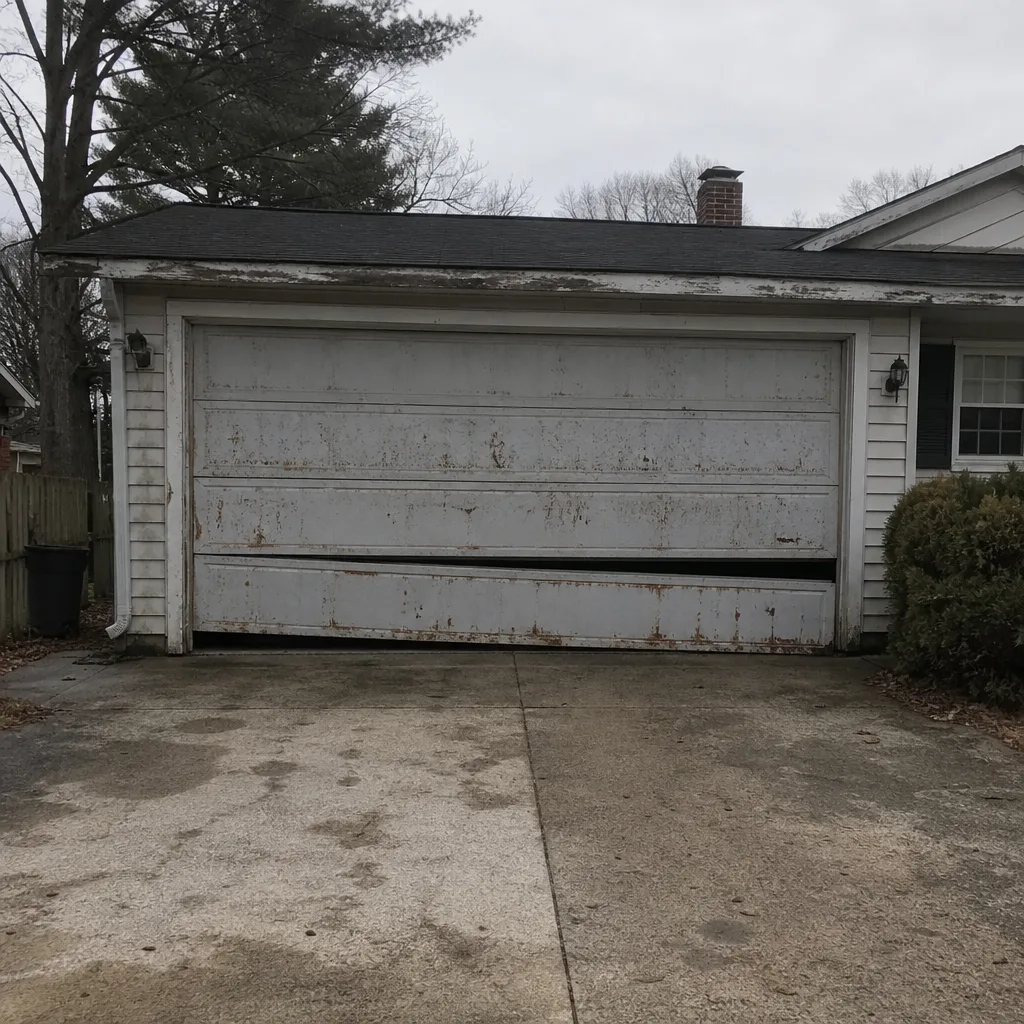 Before
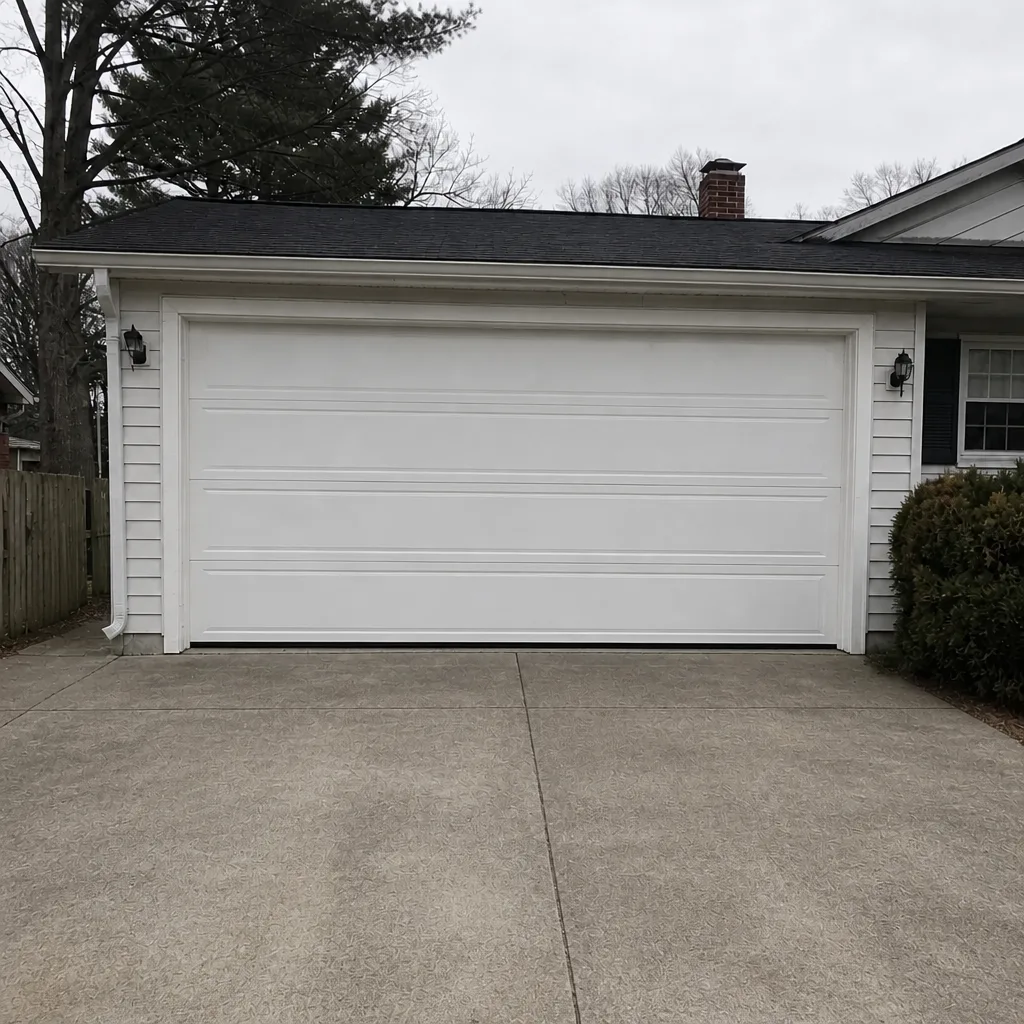 After
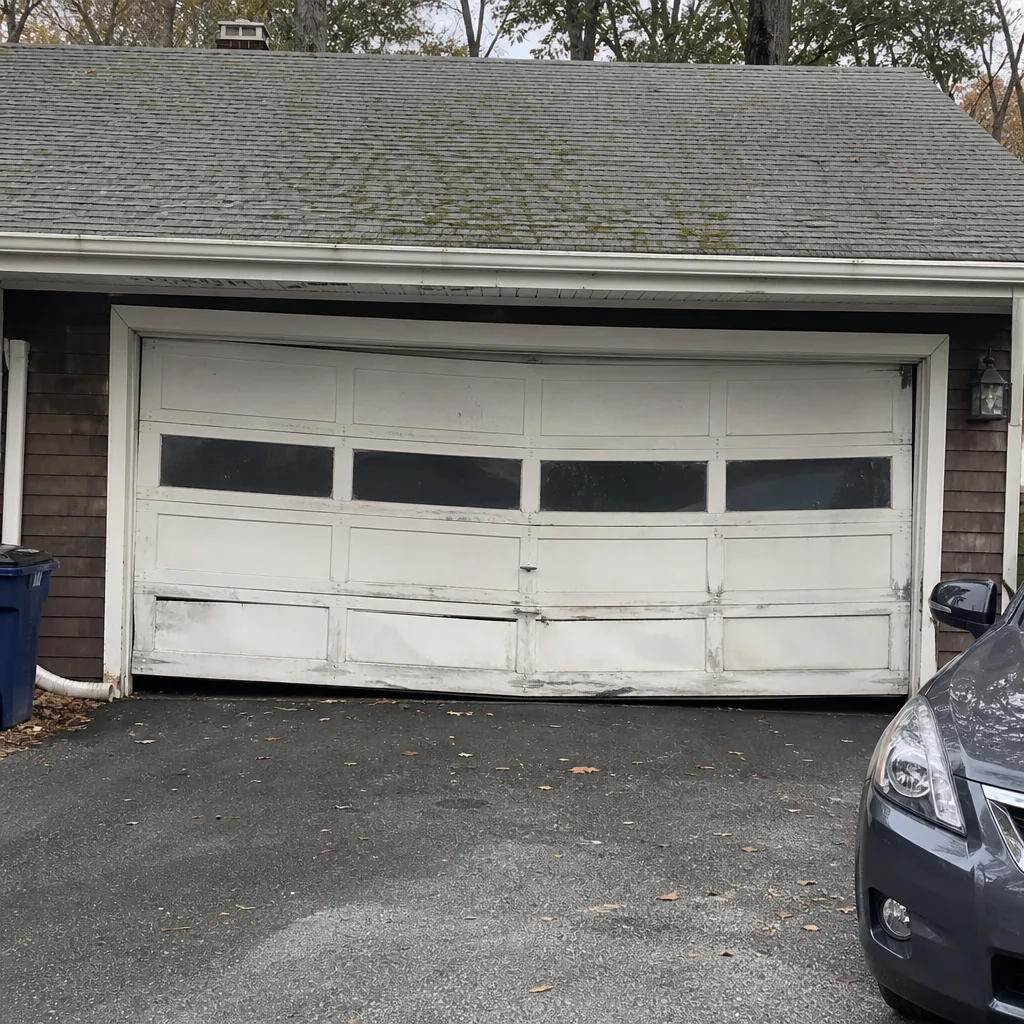 Before
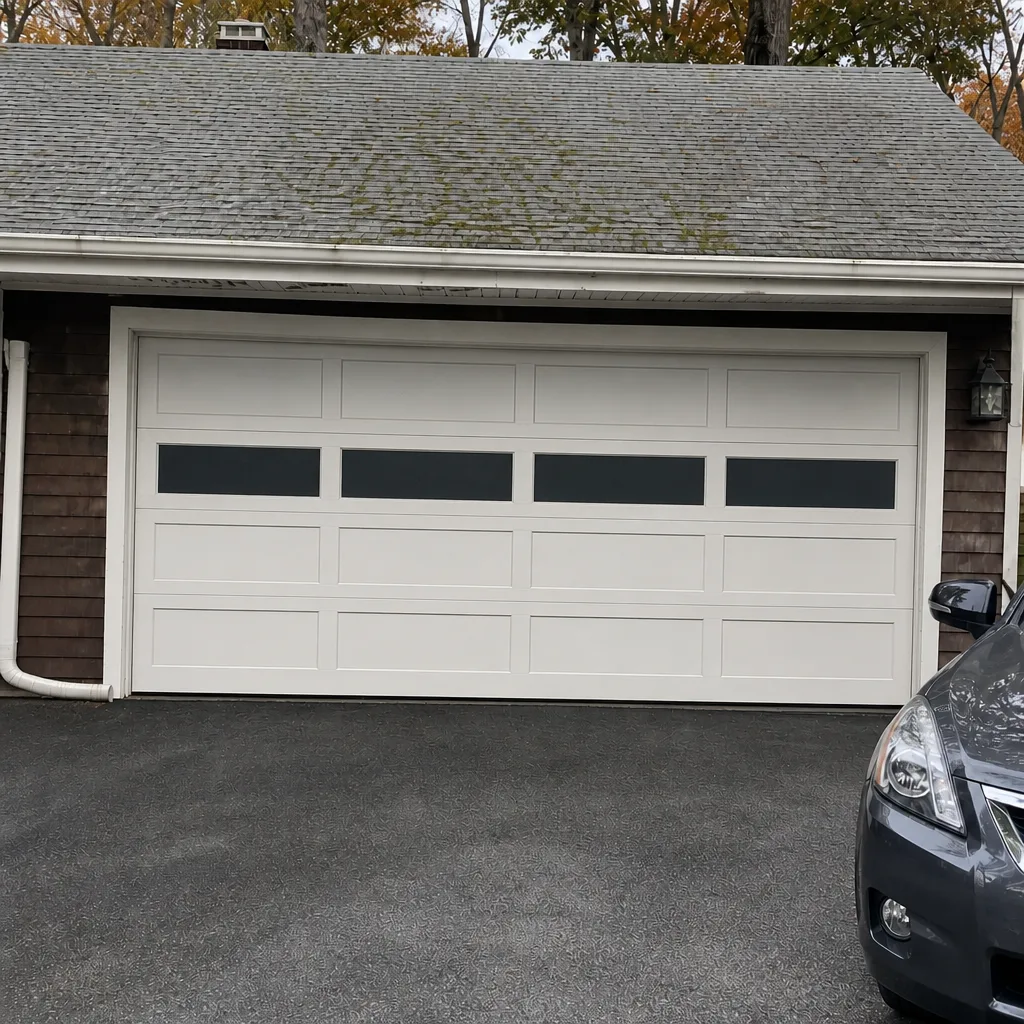 After
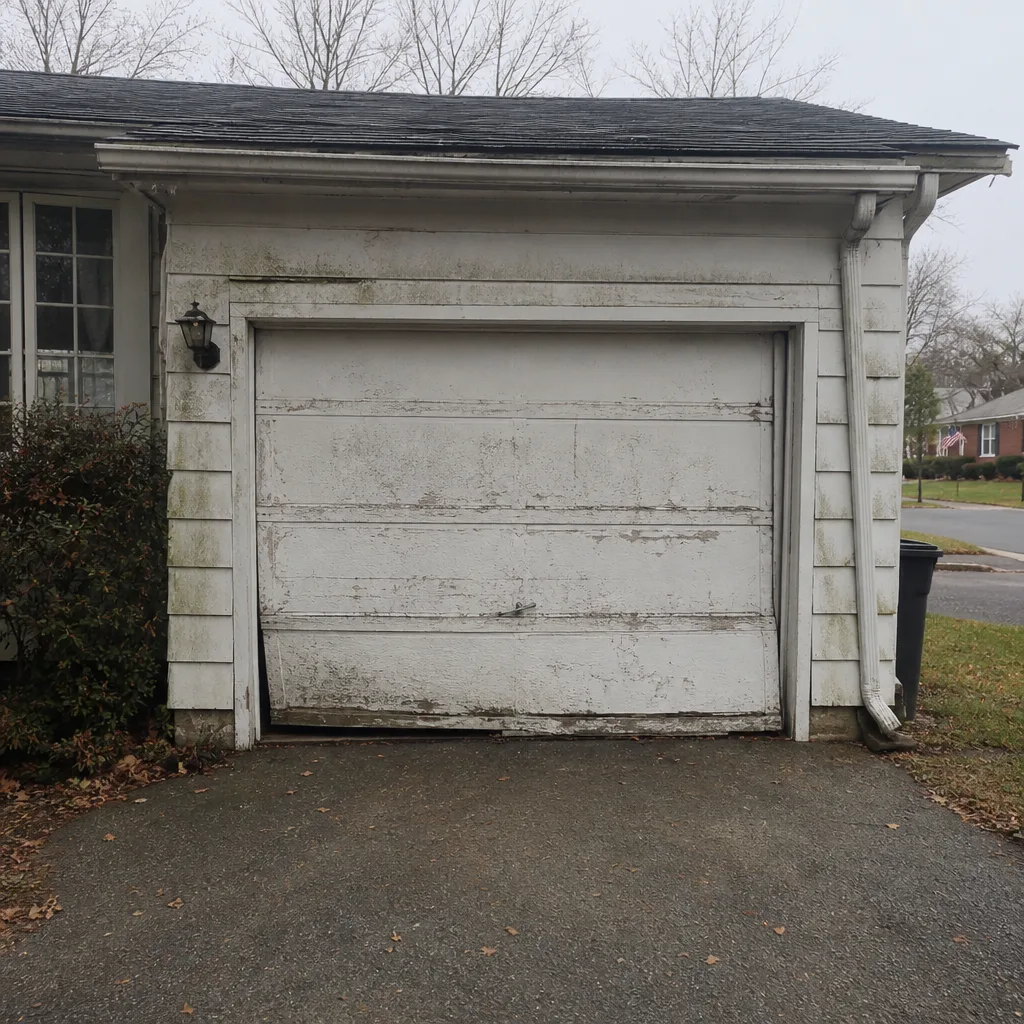 Before
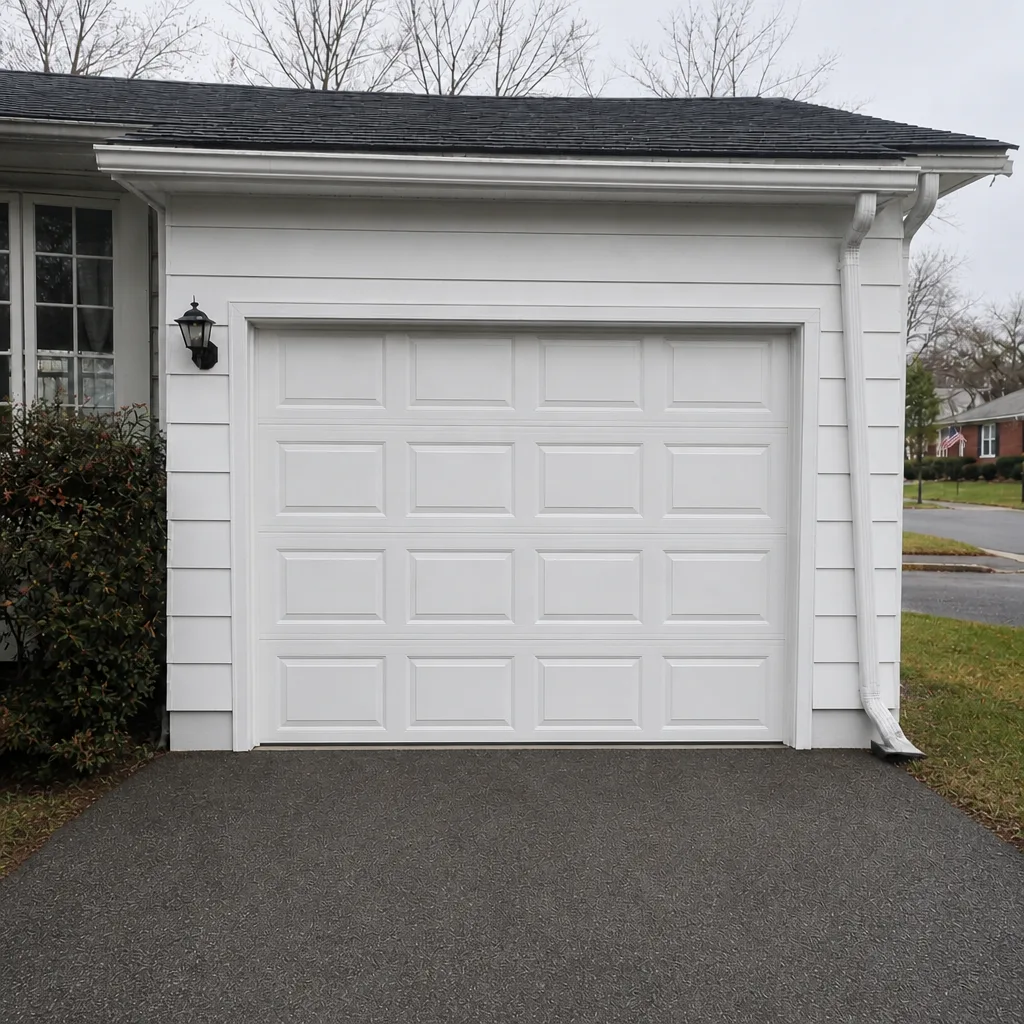 After
When to Call a Professional
Call a specialist when a spring has shown a gap or a door has lost balance, when the door reverses on its own or won’t close fully, when the opener runs without moving the door, or when a crack or snap has preceded a door that won’t lift. All of these involve parts under tension or parts that need proper diagnosis, and none of them are jobs for a general handyman or a Saturday afternoon. Our technicians have up to 15 years of experience, work on the eight major brands the market runs on, and handle both repair and new installation, so a job that starts as a repair doesn’t mean finding a second company for a replacement. Plymouth Garage Door Repair Co offers free estimates in Plymouth. Call (866) 937-7208. We answer 24/7. Fast dispatch from 7am to 7pm, Sunday through Friday.
Frequently Asked Questions
Twice a year is the practical answer here, once in late winter before the spring thaw and once in fall before the first hard freeze. Plymouth’s freeze-thaw cycles put more stress on springs and seals than a milder climate would, and two checks align with those transitions. A summer check for humidity binding is worth adding for wooden and composite doors. Call (866) 937-7208 for an exact quote; estimates are free.
Springs fail in spring because repeated freeze-thaw cycles microfracture the metal over the winter. The failure isn’t caused by a single cold snap but by the cycling, and the failure point often lands in the weeks after the thaw, when the metal has just come through its hardest annual workout. A late-winter visual inspection catches the warning signs, and a professional tension check confirms them. Call (866) 937-7208 to book an inspection; estimates are free.
Yes, up to a point. A door that opens slightly slower in sub-20°F temperatures is normal because the seals stiffen and the lubricant thickens. It’s not normal for the door to reverse on its own, stop partway up, or make a cracking or snapping sound. Those are signs of a real problem that cold has exposed. Call (866) 937-7208 if something doesn’t sound right; estimates are free.
Lock the door manually, clear loose objects from around it, and check that the perimeter seal is intact. Those steps reduce the chance of damage. What you can’t do is upgrade the door’s wind rating through preparation, because the rating is a property of the door itself. If you’re unsure of the rating, find it before the storm season. Call (866) 937-7208 for a repair or replacement quote; estimates are free.
It sticks because the humidity makes the wood swell, and the door pushes against the frame. That often looks like a mechanical problem but responds to seasonal adjustment rather than repair. If the door sticks on humid days and loosens on dry ones, moisture is the variable. If it sticks all the time, that’s worth a closer look. Call (866) 937-7208 for an exact quote; estimates are free.
You can look at them, but you should never touch them with a tool. Torsion springs and the cables attached to them are under extreme tension, and the injuries from adjusting them are serious ones. Visual checks are safe and useful; a gap in the coil, a stretched spring, or a door that won’t hold its position are all reasons to call. Call (866) 937-7208 and leave the winding to a trained specialist; estimates are free.
The Bottom Line
Plymouth’s weather doesn’t give a garage door the gradual transitions it was designed for, and the seasonal tasks that matter here are the ones that line up with the sudden shifts: a late-winter inspection before the thaw, a spring tension check within two weeks of the last hard freeze, a summer eye on humidity binding, and a fall prep before the first freeze. Winter care is mostly about knowing the difference between cold sluggishness and real failure, and storm prep is about doing what’s possible while recognizing what’s up to the door’s rated wind load. Do the checks, and the failures get less frequent and less sudden.
Need a seasonal inspection or a repair in Plymouth? Call (866) 937-7208 for a free estimate. We answer 24/7. Fast dispatch from 7am to 7pm, Sunday through Friday. The written estimate sets the final price, and the price is agreed before any work starts.
Written by the team at Plymouth Garage Door Repair Co.