
Last updated November 22, 2026
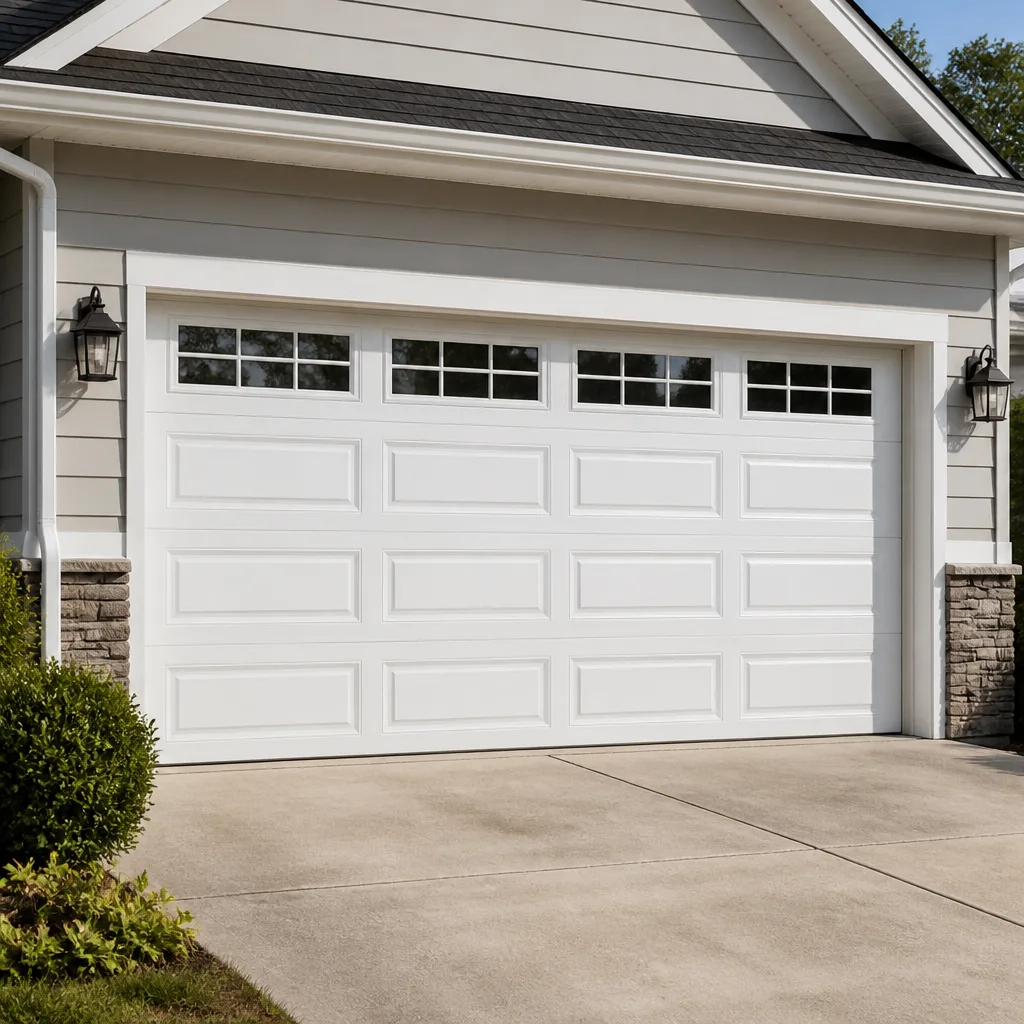 Raised-panel steel
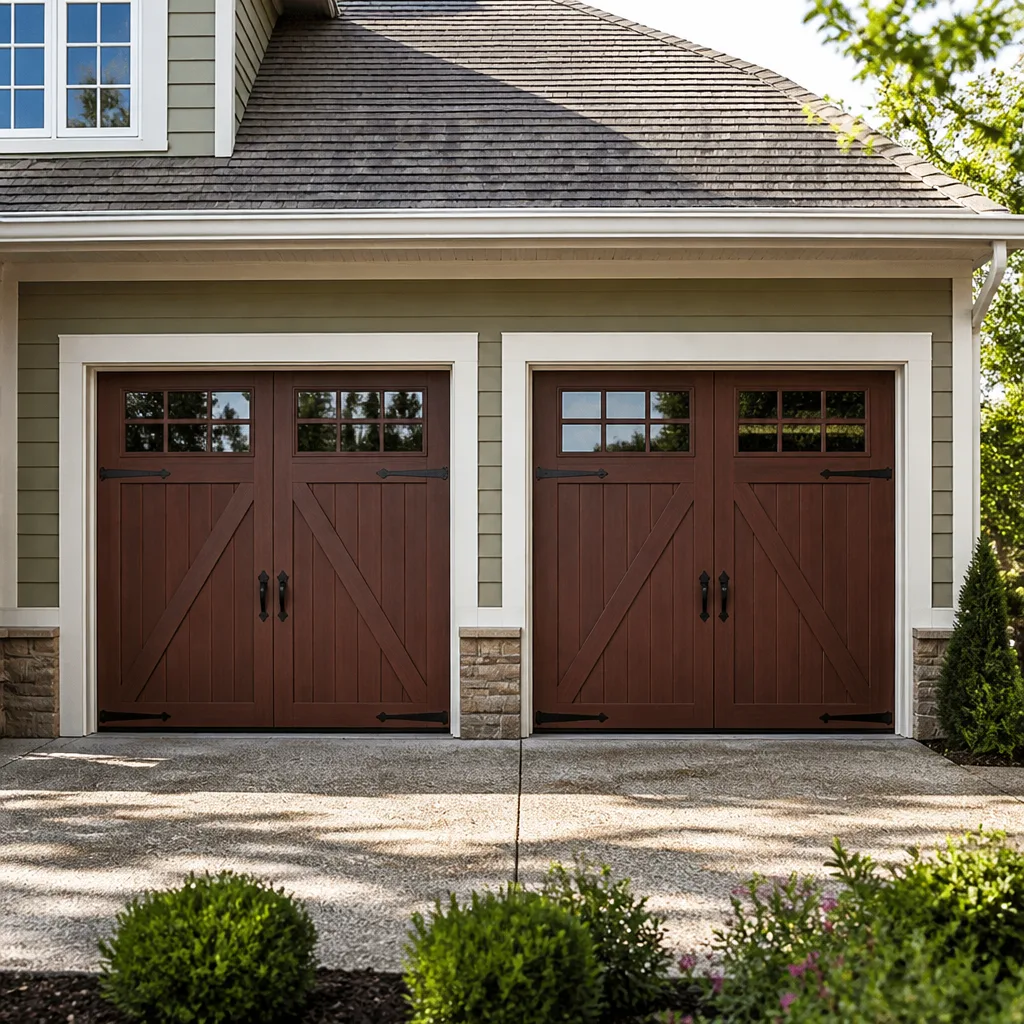 Carriage house
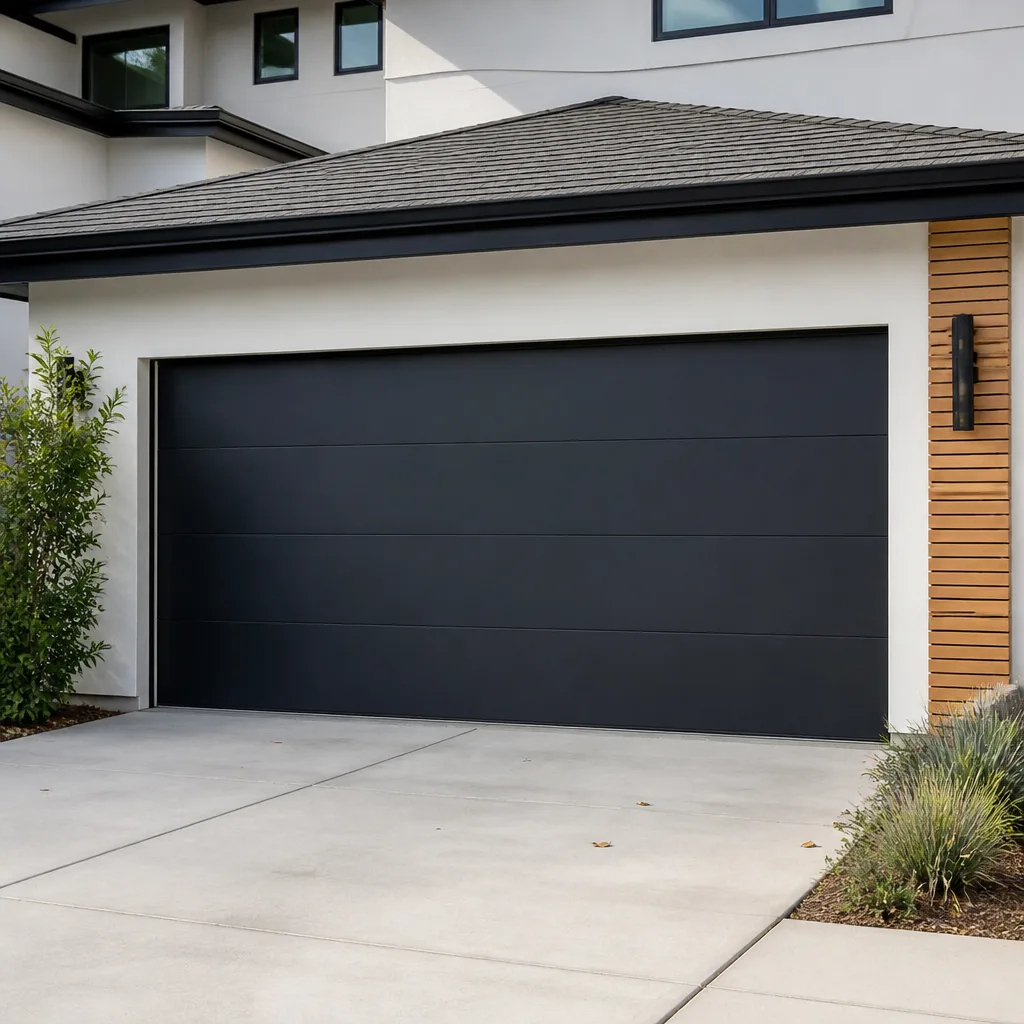 Modern flush
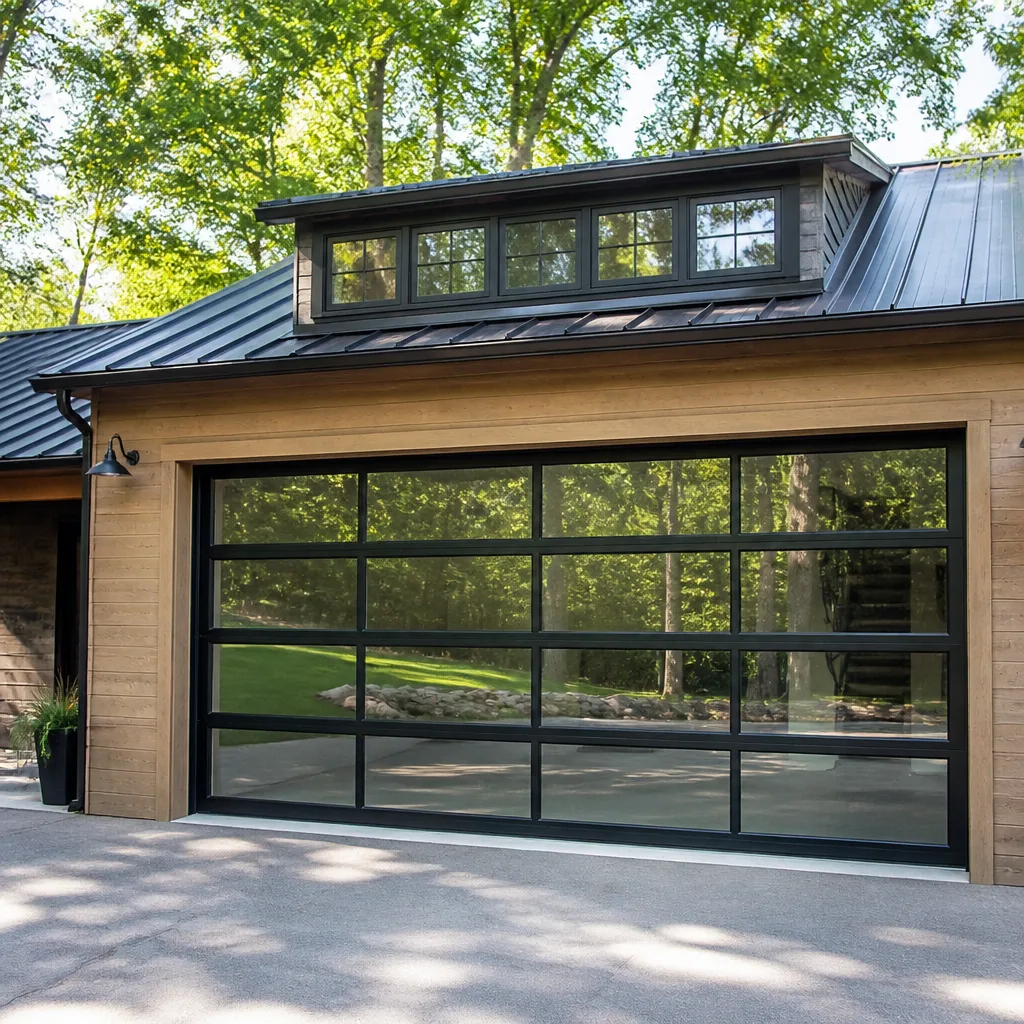 Full-view glass
 LiftMaster openers
 Chamberlain openers
Full 25-point door and opener safety check with every visit - springs, cables, rollers, tracks, and your LiftMaster or Chamberlain opener included
You get a price before we start. It does not change when the pro arrives.
Get your free estimateHow to Hire a Garage Door Contractor in Plymouth: A Step-by-Step Guide
Garage door work in Massachusetts doesn’t require a specialty license the way electrical or plumbing does. That single fact explains most of the bad outcomes homeowners run into. Nothing legally stops a handyman who has watched one torsion spring swap on video from quoting the job, and a torsion spring holds enough stored energy to injure or kill when it’s handled wrong. So the hiring decision matters more here than in trades where the state checks credentials for you. This guide covers what to verify, what to ask, what a fair quote looks like, and the red flags that show up before the work starts. We walk through it the way we would explain it to a neighbor in Plymouth.
Quick Answer
To hire a garage door contractor in Plymouth, verify three things before anything else: proof of insurance, specific experience with the brand already on your door, and a written itemized quote with an explicit warranty. Massachusetts doesn’t license garage door contractors as a trade, so those checks are on you. A specialist asks about your door’s brand and symptom before quoting; a generalist quotes a number and asks questions later.
Styles & brands we work with
- Raised-panel steel
- Carriage house
- Modern flush
- Full-view glass
- LiftMaster openers
- Chamberlain openers
Table of Contents
- What Massachusetts Requires (And What It Doesn’t)
- Insurance Documentation to Ask For
- Specialist vs. Generalist: How to Tell Them Apart
- Why Brand Familiarity Matters
- How to Read a Garage Door Quote
- Comparing Two Quotes When the Numbers Look Similar
- Common Mistakes to Avoid
- When to Call a Professional
What Massachusetts Requires (And What It Doesn’t)
Massachusetts does not issue a specialty license for garage door contractors. There’s no state board exam, no continuing education requirement, and no credential number to verify the way there is for electricians or journeyman plumbers. That’s the part homeowners find surprising. The trade sits outside the licensed categories, which means anyone with a truck and a ladder can call themselves a garage door installer.
What the state does require is a Home Improvement Contractor registration for any residential project over a threshold dollar amount. Registration isn’t a skill test, but it does create an accountability trail. Ask for the registration number and check it against the state’s Office of Consumer Affairs and Business Regulation lookup. It takes two minutes and filters out a surprising number of operators.
Beyond that, most work in Plymouth is straightforward from a permit standpoint. A spring replacement, cable swap, or opener replacement doesn’t require a permit. Full door replacement sometimes does, depending on the scope and whether structural work is involved, so ask the city’s building department directly before scheduling a replacement. Any contractor who tells you a permit is never needed for a full replacement hasn’t done enough of them.
What you’re doing in this step is replacing certification with verification. Since the state doesn’t hand out a garage door license, the burden shifts to you. That’s not a reason to avoid hiring anyone. It’s a reason to ask better questions before the truck shows up.
Insurance Documentation to Ask For
Ask for two separate documents: a certificate of general liability insurance and a certificate of workers’ compensation coverage. Those are different policies covering different risks, and a contractor who has one without the other is a problem.
General liability covers damage to your property. If a door panel gets dropped on your driveway, or a track bends your car’s bumper, that policy responds. Workers’ compensation covers the technician if they’re hurt on your property. Without it, an on-the-job injury could become your liability as the homeowner.
Here’s the specific part. Don’t accept a verbal “yeah, we’re insured.” Ask for the certificate, and read it. Look for:
- The business name on the certificate matches the name on the quote. A mismatch means the policy may not cover the crew doing the work.
- The coverage is current. Certificates carry expiration dates, and an expired certificate protects nobody.
- Workers’ comp is actually listed, not “applied for.” Sole proprietors are often exempt from carrying it, but if they have employees, the policy should exist and name the company.
- The certificate is from a real carrier with a phone number. A PDF can be created in five minutes by anyone.
Any garage door specialist who carries proper coverage will send those documents without hesitation. Pushback on this request, or a “we’ll get it over to you later,” tells you what you need to know. The contractor who won’t send the paperwork before the job is not the one you want handling a spring under tension on your property.
Specialist vs. Generalist: How to Tell Them Apart
A garage door specialist works on garage doors and nothing else. A generalist handyman handles garage doors as one of a dozen services, jumping between drywall, decking, and spring work in the same week. The difference shows up in three places: parts sourcing, warranty terms, and how quickly they diagnose.
Parts sourcing
A specialist knows which springs, cables, and opener components fit which doors and buys them from suppliers that actually stock residential garage door parts. A generalist often sources from a big-box store where the spring on the shelf is a roughly universal replacement, and the fit is a guess. Ask any contractor where they source parts for your specific door brand. A vague answer is a real answer.
Warranty terms
Specialists back the parts they install with a written warranty, and they write down what that warranty covers and for how long. Generalists tend to offer a verbal “you’re covered” with no expiry or scope in writing. When something goes wrong three months later, the specialist has a paper trail and the handyman has a memory.
Diagnostic speed
A specialist can hear a symptom description and narrow down the likely cause before mentioning a price. “Door goes up six inches and stops” points to a spring or opener issue. “Door closes then reverses” points to a safety sensor or limit switch. Generalists tend toward a flat “we’ll take a look and let you know.”
Three questions that surface which one you’re talking to:
- What percentage of your work is garage doors?
- Do you carry a manufacturer warranty on the parts you install?
- What brand springs do you source for this door?
Specific answers mean a specialist. Generic answers mean a generalist who handles garage doors the way they handle gutters.
Why Brand Familiarity Matters
Every garage door brand has quirks. LiftMaster and Chamberlain openers share ownership and a lot of underlying hardware but differ in programming sequences. Genie has its own sensor alignment and limit switch patterns. Clopay builds steel doors with proprietary panel profiles. Amarr and Wayne Dalton each use their own hinge and roller patterns. A contractor who has worked across these brands knows the differences before they open the truck. One who hasn’t will figure it out on your driveway, and “figuring it out” costs you time and often a second visit.
Brand familiarity affects three things in practice:
- Diagnostic accuracy. A Craftsman opener that won’t respond to a remote might be a limit switch, a sensor, or a logic board. A technician who knows that model family narrows it down fast. A technician who doesn’t replaces parts until the symptom clears, and you pay for each try.
- Part availability. Knowing the brand means knowing what’s on the shelf and what’s a two-week order. If your Amarr door needs a specific panel, you’ll want the lead time stated upfront.
- Warranty validity. Some parts warranties are tied to correct installation by someone familiar with the manufacturer’s spec. A mismatched part voids coverage.
Before hiring, tell the contractor the brand and model on your door and opener. The right answer includes specifics about that brand. If the answer sounds like a general statement that applies to everything (“they’re all pretty similar inside”), keep calling. Brand familiarity isn’t about advertising a logo list; it’s about knowing where the parts are and how the mechanism behaves on the specific door sitting in your Plymouth garage.
How to Read a Garage Door Quote
A fair garage door quote has four components: the diagnosis, the parts, the labor, and the warranty. If any of those is missing, the quote isn’t complete, no matter how clean the total looks.
Here’s what to look for in a properly structured quote for common Plymouth jobs:
- Diagnosis written down. One or two lines explaining what’s broken and why. Not “spring issue” but “torsion spring broken, door unsafe to operate.”
- Parts itemized. Brand, part number where applicable, and quantity. Two springs should be listed as two springs. One spring listed for a two-spring door is either a mistake or a shortcut.
- Labor broken out. Hourly rate or flat labor line. A quote that lists parts and a total but no labor figure is asking you to trust a black box.
- Warranty in writing. Parts warranty separately from labor warranty, with time frames for each.
- Permit line if a permit applies. Full door replacements sometimes require one. Ask the city’s building department if you’re unsure. A quote that skips this line when a permit is required is an incomplete quote.
On cost expectations: torsion spring repairs typically run in the low-to-mid hundreds per spring, and a matched pair is usually replaced together, which roughly doubles the figure. Opener replacements land higher, and full door installations higher still. The written estimate sets the final price, and the numbers should be agreed before any work starts. If a quote is dramatically lower than the others, treat that as a warning, not a win. Low spring pricing often means a universal part, no labor line, or a warranty that dissolves once the truck pulls away.
If you want a benchmark against a written estimate, our garage door spring repair page lays out what a proper spring quote covers. Compare the line items, not just the totals.
Comparing Two Quotes When the Numbers Look Similar
Two quotes can land within fifty dollars of each other and still not be the same job. The scope is the difference. Here’s the framework for comparing them line by line.
- Compare springs by count and brand. One quote lists two matched springs; the other lists one. One names a specific manufacturer; the other says “standard.” Same price is not the same job.
- Compare labor. Flat labor versus hourly is fine either way, but both quotes should show the line. If one quote hides labor inside the parts figure, it’s not comparable.
- Compare warranty length and scope. “One year parts and ninety days labor” versus “we stand behind our work” are not the same sentence. One is enforceable, the other is a feeling.
- Compare what’s included vs. extra. Does the quote include a safety sensor alignment, a balance check on the door, and a lubrication pass? Or does the second technician charge extra for those once they’re on site?
- Compare the follow-up. A quote that says “come back if there’s an issue” has no defined response. A quote with a service policy and a phone number you can reach does.
One more question to ask both: “What’s the total if you find a second problem while you’re in there?” A good contractor quotes the primary job and gives a written estimate for common add-ons up front. When the door comes apart on a spring replacement, cables and rollers often show wear, and knowing the ballpark before work begins keeps the final invoice in line with the quote. Our garage door repair page walks through what a typical repair scope includes so you can compare quotes against it.
See the difference
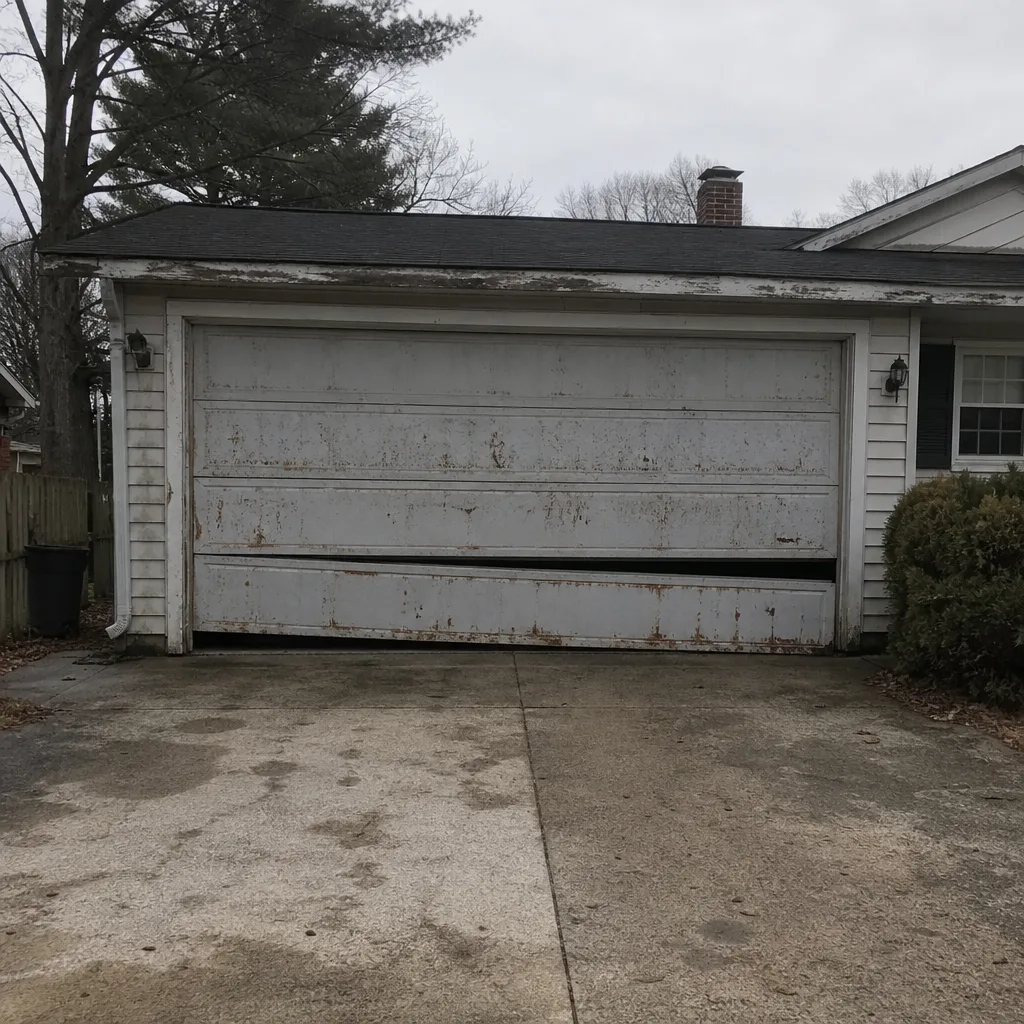 Before
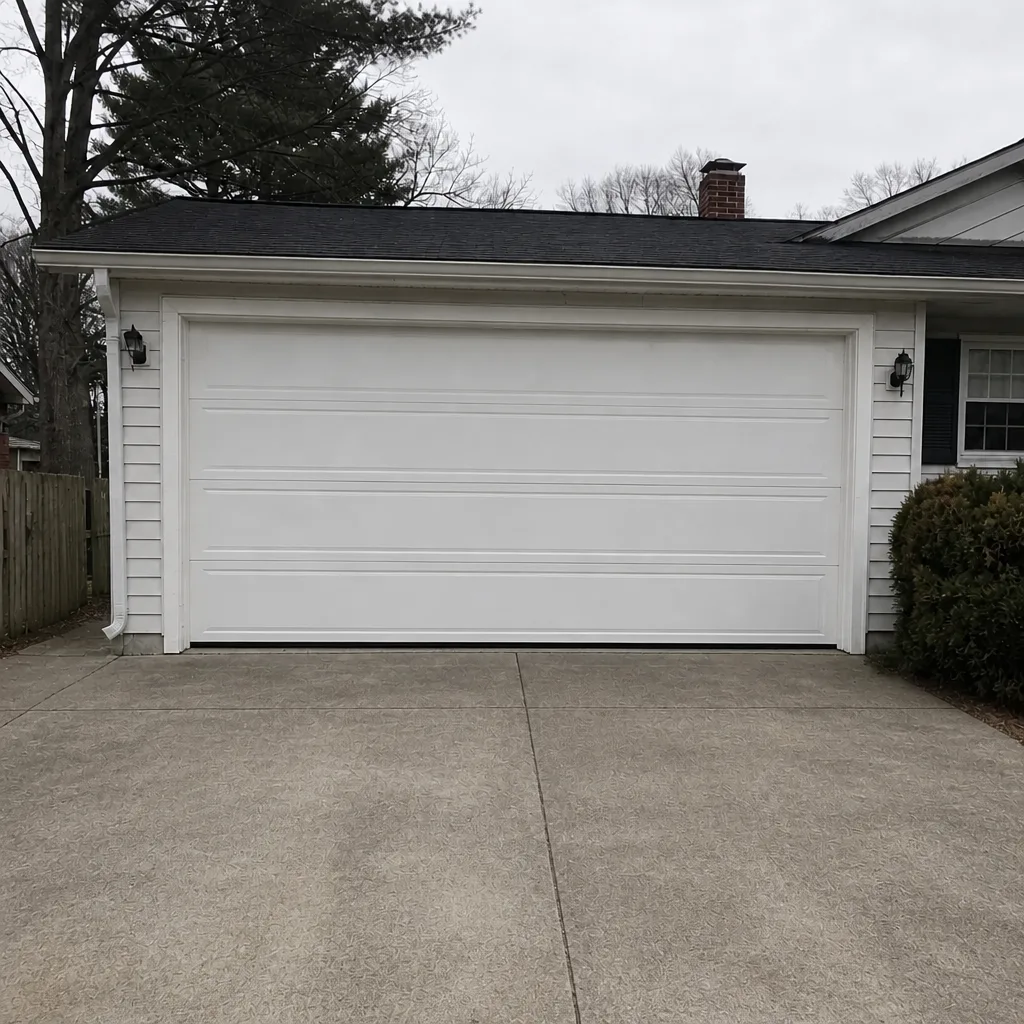 After
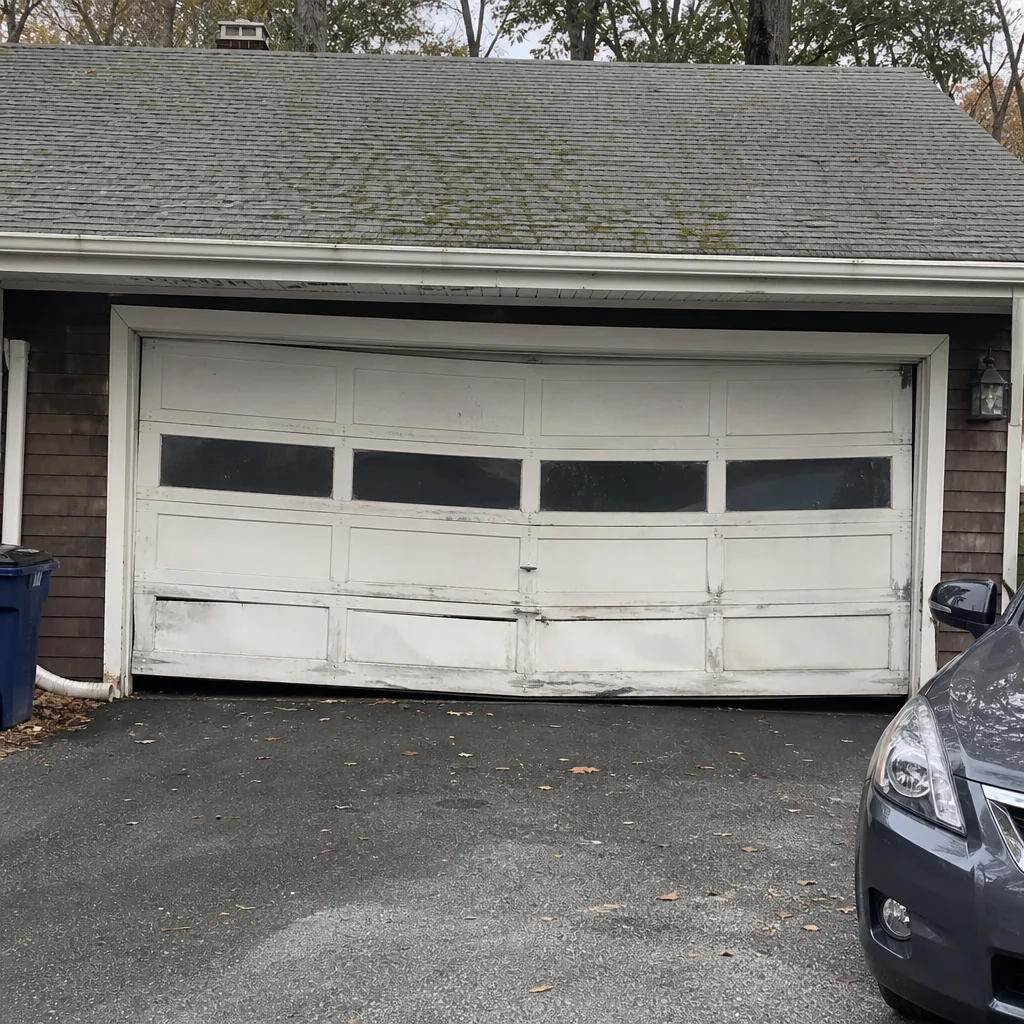 Before
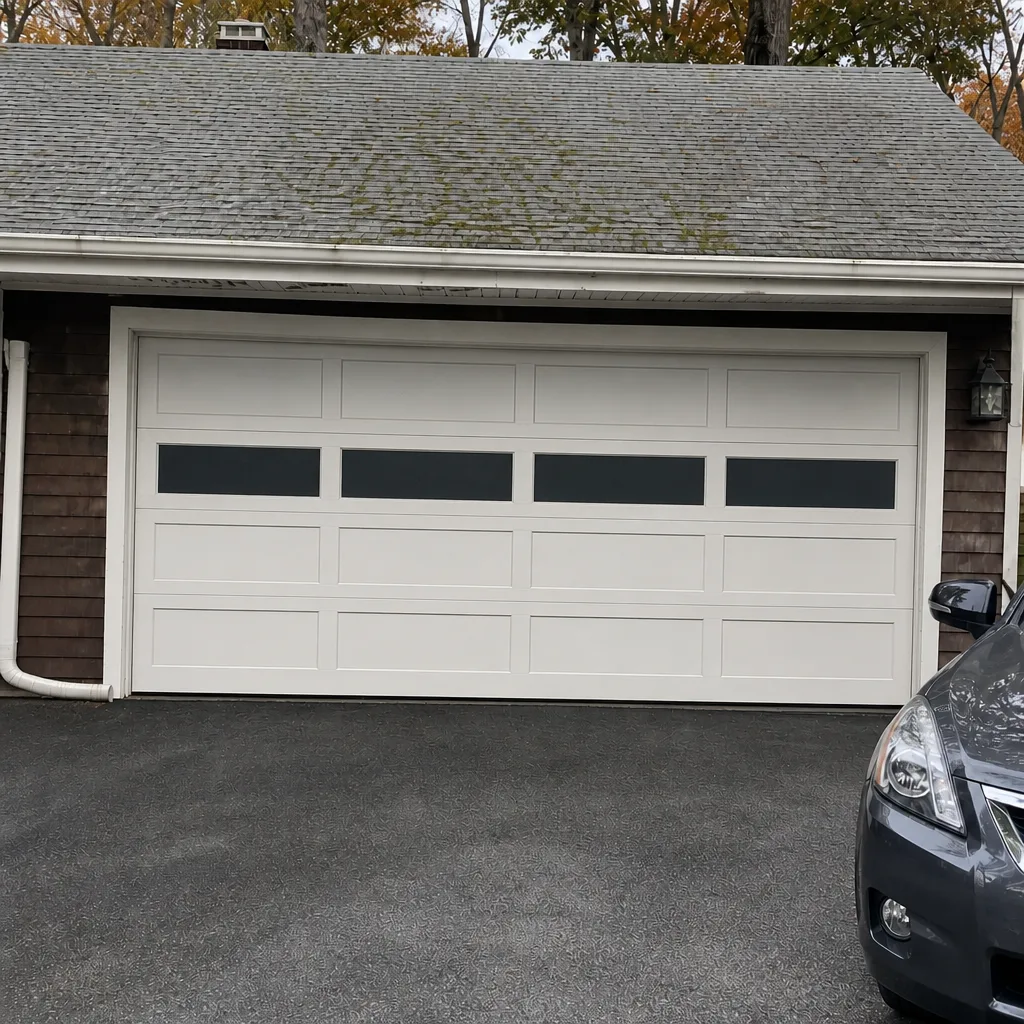 After
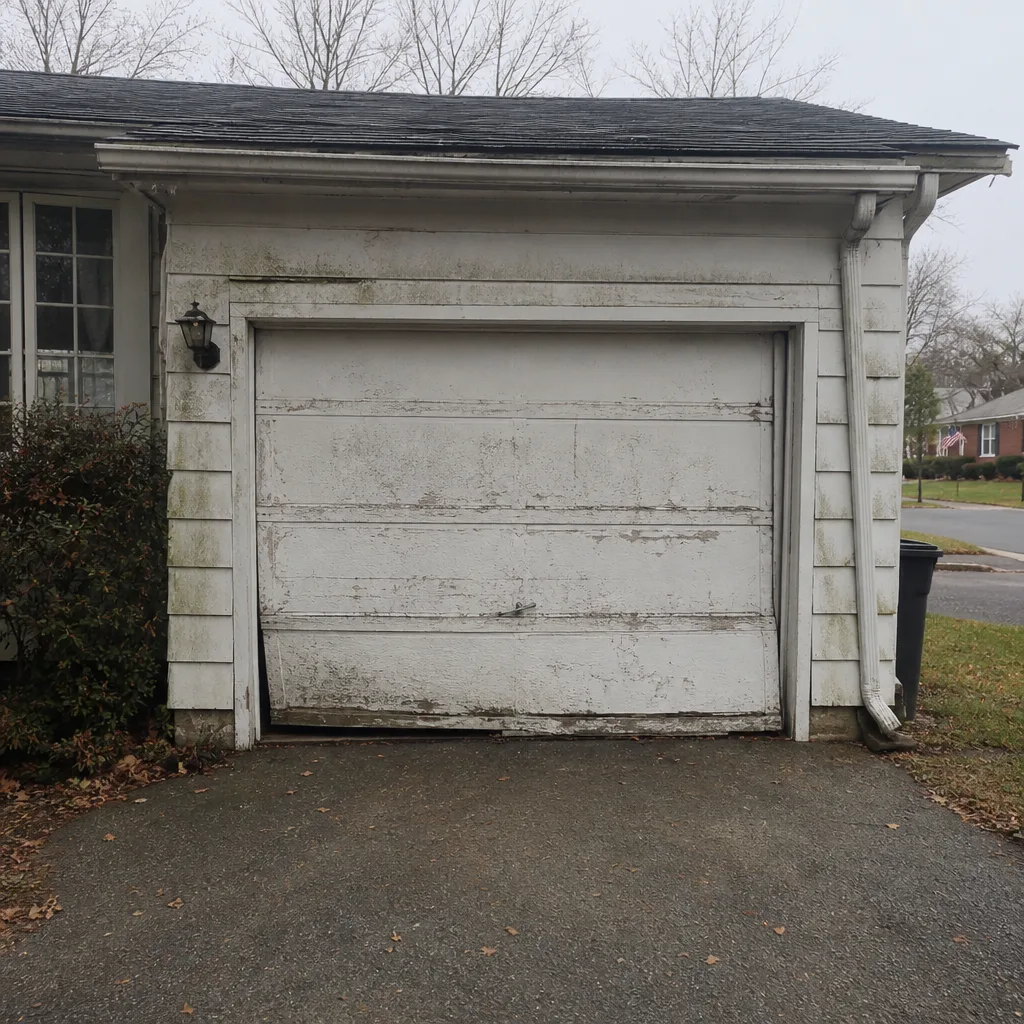 Before
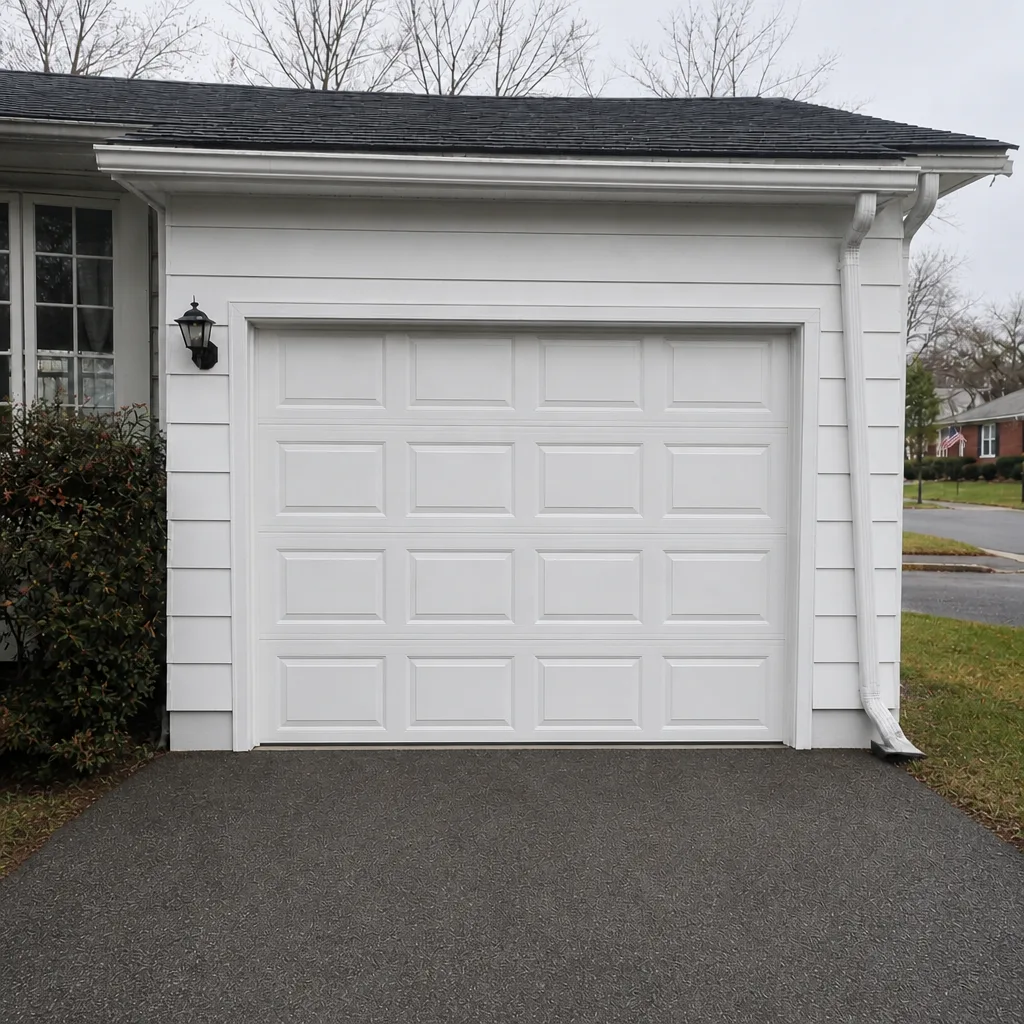 After
Common Mistakes to Avoid
- Hiring on phone price alone. A price named before the contractor asks for the door brand, the symptom, and the door’s age is a guess dressed as a quote. In Plymouth, where older homes often have doors that need specific parts, that guess is where the invoice grows.
- Not asking for insurance documents before the visit. A request after the job is done has no leverage. Ask when you book, and don’t schedule the visit until the certificates arrive.
- Accepting a verbal warranty. Verbal warranty terms are whatever the technician remembers three months from now. Get the parts and labor coverage in writing, with an expiry.
- Choosing universal springs to save a little. A universal spring that “fits” your door often fits it poorly. The door sits unevenly, the opener works harder, and the motor fails earlier than it should.
- Trying the repair yourself after watching a video. Torsion springs store enough force to break bones if the winding bar slips. Cable tension carries similar risk. The five-minute video doesn’t show what happens when the first turn goes wrong.
- Assuming the big-box installer is the cheapest option. Big-box installers quote new doors, but they don’t handle repairs and often route you to a third party for service calls. A dedicated garage door specialist is usually the simpler path for anything less than a full replacement.
- Ignoring the opener’s brand when replacement parts are ordered. A Genie logic board is not interchangeable with a Chamberlain one, even when the labels look similar. Give the technician the exact model so the first visit gets it right.
When to Call a Professional
Some garage door problems are safe to troubleshoot. Sensors that are misaligned, remotes that need re-pairing, and tracks with a light bend you can see are fair game for a homeowner with patience. Others aren’t. Broken torsion springs, coiled cables that have come off the drum, and doors that have come off one track are all in the professional category, no exceptions. A door that won’t stay up on its own is storing energy you can’t see, and that’s the exact scenario where DIY goes badly.
Other cases where calling is the right move: an opener that cycles on its own, a door that reverses unpredictably, or a door that has been hit and twisted. Those point to internal problems you need eyes on.
Plymouth Garage Door Repair Co offers free estimates in Plymouth. Call (866) 937-7208. We answer 24/7. Fast dispatch from 7am to 7pm, Sunday through Friday, and we handle both garage door opener repair and spring work across the major brands, including Genie, Clopay, Amarr, and Wayne Dalton. The local pro we connect you with is licensed and insured as the state requires, and the price is quoted and agreed before any work starts.
Frequently Asked Questions
No. Massachusetts doesn’t issue a specialty license for garage door contractors the way it does for electricians and plumbers. The state does require Home Improvement Contractor registration for residential work above a threshold amount, so ask for that registration number and verify it through the Office of Consumer Affairs and Business Regulation. Call (866) 937-7208 for a free estimate.
General liability and workers’ compensation. Ask for both certificates before the visit and confirm the business name on each certificate matches the name on the quote. An expired certificate or a missing workers’ comp policy is a reason to hire someone else. Estimates are free, so call (866) 937-7208 to book a vetted local pro.
Torsion spring repair typically runs in the low-to-mid hundreds per spring, and a matched pair is usually replaced together, so a pair costs roughly twice the single-spring figure. A written estimate sets the final price, and it should be agreed before any work begins. Call (866) 937-7208 for an exact quote, since estimates are free.
In most cases, yes. Emergency calls are a core part of what we handle, and we cover door-off-track scenarios, broken springs, and openers that have stopped responding. We answer 24/7. Fast dispatch from 7am to 7pm, Sunday through Friday. Call (866) 937-7208 and the dispatcher will give you a window.
Not without your agreement. The technician inspects the door, explains what’s wrong, and gives you a written estimate before touching anything. If the scope changes once the door comes apart, you get a revised estimate to approve first. Nothing is added to the invoice after the fact. Call (866) 937-7208 to book.
We work with eight of the market’s most widely installed brands, including LiftMaster, Chamberlain, Genie, Clopay, Amarr, Wayne Dalton, Craftsman, and Raynor, so technicians arrive familiar with your hardware. For unusual or older models, the parts may need to be ordered, and the technician will give you the lead time upfront. Call (866) 937-7208 to confirm parts for your model.
The Bottom Line
Hiring a garage door contractor in Plymouth comes down to three checks. Verify insurance documentation before the visit. Confirm the contractor knows the specific brand on your door and can talk about it in specifics. Get a written quote with labor broken out and the warranty stated in days and months, not adjectives. Everything else is noise. Massachusetts doesn’t hand you a license to trust, so you build the trust yourself by asking better questions. When a contractor answers those questions cleanly, whether it’s Plymouth Garage Door Repair Co or someone else, you’re ready to book. When they don’t, you’ve saved yourself the trouble.
If you’re in Plymouth and want a free written estimate from a specialist who handles repair and full installation, call (866) 937-7208. We answer 24/7. Fast dispatch from 7am to 7pm, Sunday through Friday.
Written by the team at Plymouth Garage Door Repair Co.