
Last updated November 22, 2026
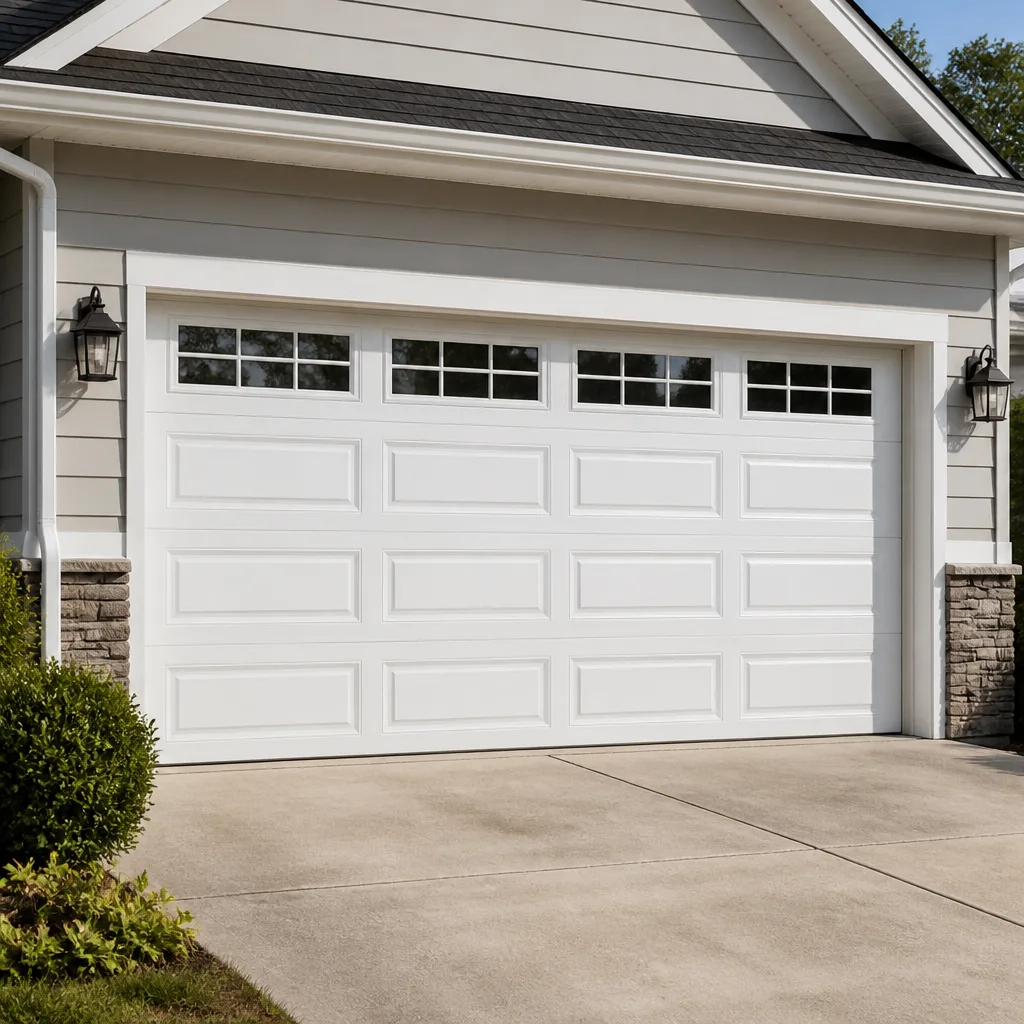 Raised-panel steel
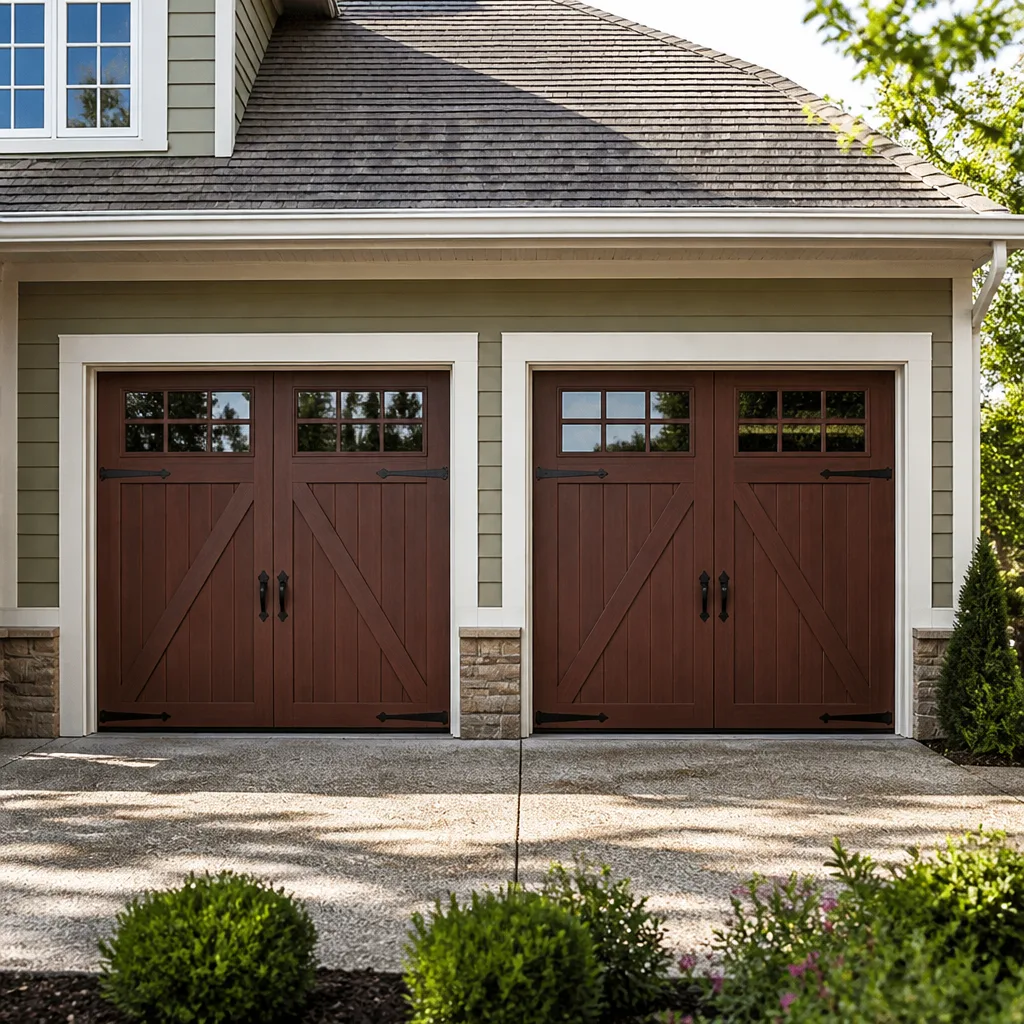 Carriage house
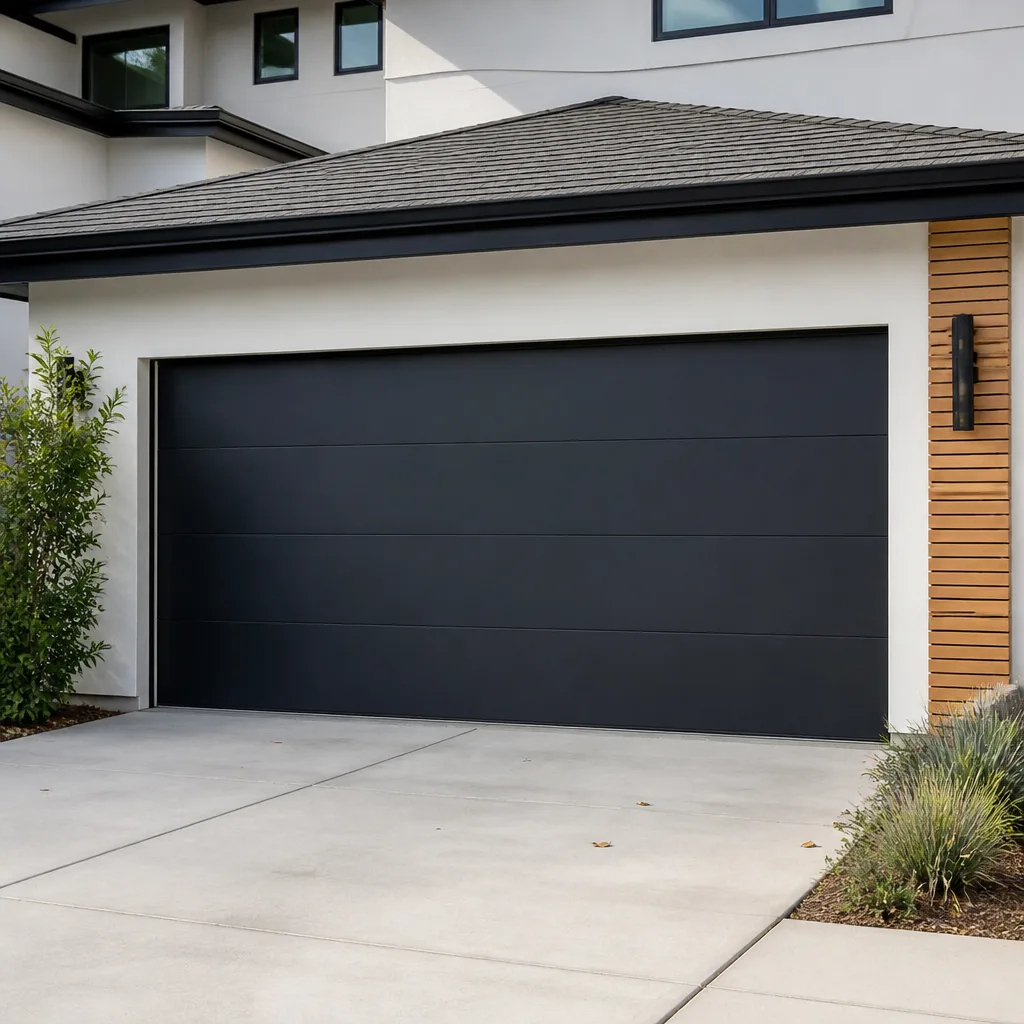 Modern flush
 Full-view glass
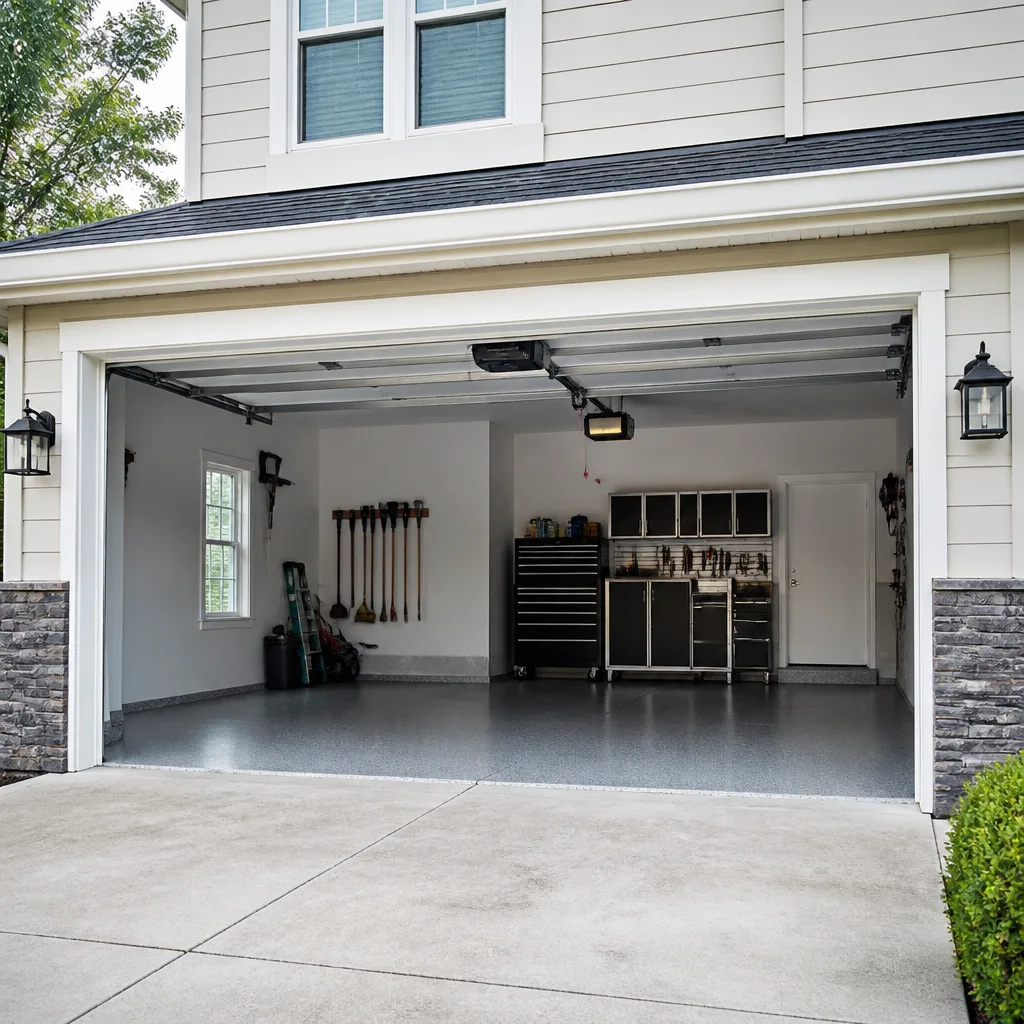 LiftMaster openers
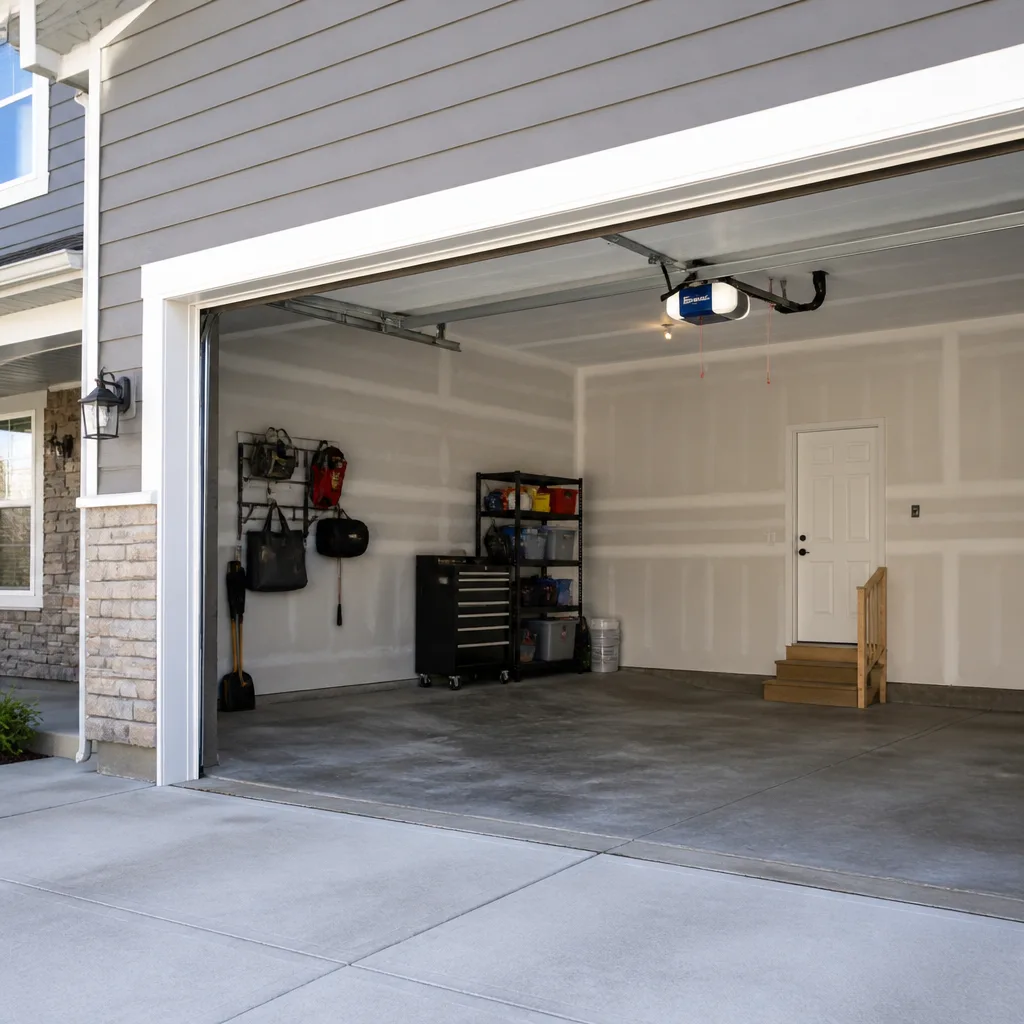 Chamberlain openers
Full 25-point door and opener safety check with every visit - springs, cables, rollers, tracks, and your LiftMaster or Chamberlain opener included
You get a price before we start. It does not change when the pro arrives.
Get your free estimateGarage Door Warning Signs: A Plymouth Homeowner’s Reference Guide
A garage door that hesitates for two seconds before it moves isn’t “just getting old.” That pause is a diagnostic signal. It points at something specific inside the system – a binding track, a tired opener gear, a roller that has stopped rolling and started dragging – and knowing which part you’re hearing is the difference between a small adjustment and a repair that grows into an emergency. Most Plymouth homeowners wait for the door to fail completely before they call anyone. The doors that get expensive are almost never the ones that broke without warning. They’re the ones that gave plenty of warning and nobody read it. In this guide we’ll walk through what each sound, motion and visual cue actually means at the component level, what you can safely check by looking alone, and which single sign means stop using the door today. Plymouth homes sit in a wet, freeze-thaw climate that works hardware harder than a lot of people realize, so the timeline here is worth knowing.
Quick Answer
The three warning signs that most often mean a garage door needs a professional inspection in Plymouth are: a door that reverses before it closes, a loud bang followed by a door that won’t lift, and any visible fraying on the lift cables. Grinding, squealing and hesitation are usually earlier-stage signals tied to rollers, tracks or the opener and can often be addressed before they turn into a breakdown. A torsion spring that has snapped is the one condition that calls for stopping use of the door immediately and treating it as a safety issue.
Styles & brands we work with
- Raised-panel steel
- Carriage house
- Modern flush
- Full-view glass
- LiftMaster openers
- Chamberlain openers
Table of Contents
- How a residential garage door actually works
- Reading the sounds: grinding, squealing, banging and hesitation
- Is it the spring, the opener, or the track? A no-touch diagnosis
- What to look for on cables and rollers
- Why intermittent problems are often the serious ones
- The one sign that means stop using the door now
- What each warning sign typically costs to fix in Plymouth
- What routine checks actually prevent
How a residential garage door actually works
A sectional garage door is a balanced system, and the balance is the whole point. The torsion spring (or in some older doors, extension springs) carries most of the door’s weight. The opener’s job is small by comparison: it lifts the door once the spring has done the heavy lifting, and it controls the door on the way down. That division of labor matters because it tells you where to look when something goes wrong. If the door feels heavy, the spring is the likely culprit. If the door moves smoothly but the motor whines or the safety reverse misbehaves, the opener is the likely culprit.
Every door has four subsystems working together: the springs (balance), the cables (which connect the spring to the bottom of the door and keep the two sides synchronized), the tracks and rollers (which guide the door), and the opener with its safety sensors. Each one fails in a characteristic way, and each one makes a different sound as it goes.
In Plymouth, the seasonal freeze-thaw cycle stresses all four. Metal expands and contracts, rollers lose lubrication faster than in a drier climate, and tracks can shift slightly with the ground. That doesn’t mean every door here is falling apart. It means the warning signs tend to show up earlier and more consistently than a homeowner might expect, which is actually useful: you get more time to react, provided you’re reading what the door is telling you. A door with well-maintained hardware and a working spring setup runs quietly and predictably. When it stops doing that, the change is the signal.
Reading the sounds: grinding, squealing, banging and hesitation
Sound is the most useful diagnostic tool a homeowner has, because it doesn’t require touching anything. A door in good condition makes a soft, rhythmic hum as it rolls. Any sound that breaks that rhythm is telling you something specific. Here’s what each common sound usually points to.
- Grinding: Typically a track alignment issue, a roller that has seized, or a bent track section the door is scraping against. Grinding that gets louder as the door rises usually means the track is out of plumb.
- Squealing: Almost always friction. Rollers that have lost their bearings, a torsion spring that needs tension adjustment, or a hinge that has dried out. Squealing is often the earliest and cheapest sound to fix.
- Banging or popping: A bang at the start of travel is often the opener pulling against slack cables. A sharp bang during travel can be a panel binding, or a spring losing tension suddenly. A single very loud bang followed by the door becoming very heavy is a snapped torsion spring.
- Hesitation before lifting: A pause of one to three seconds before the door starts to move usually points at an opener gear wearing out, a misaligned safety sensor, or the opener working against a door that has become unbalanced. It’s often the first sign a homeowner notices.
- Rumbling after the door stops: A brief rumble as the door reaches the top or bottom is usually the opener running against a limit switch that needs adjustment. Left alone it shortens motor life.
Use the sound, not the timeline, as your guide. A squeal that appears suddenly and consistently is worth scheduling. A grinding that starts only when the door hits a specific point of travel is worth treating as urgent, because a binding panel can accelerate cable wear.
Is it the spring, the opener, or the track? A no-touch diagnosis
You can narrow down which subsystem is failing without opening a single panel or touching a single bolt. The trick is to separate behavior into balance problems and power problems, because they look similar but lead to different parts.
To do this safely, use the manual release only with the door fully closed and the opener power off, and never force anything. Then observe:
- Test the balance by hand (door closed, opener off). Lift the door about a foot by hand. If it feels very heavy – much heavier than you’d expect for a door that used to lift easily – the spring is doing little or none of the work. That’s a spring problem.
- Let the door settle. If you release the door at roughly waist height, it should hold or stay very close to where you let go. If it drops fast, the spring is weak or has snapped. If it rises on its own, the spring is over-tensioned and needs adjustment.
- Run the opener with the door connected. If the opener groans, the motor runs but the door doesn’t move, or the door reverses on its own, the spring may be fine and the opener is the suspect. If the door moves but the travel stops feel sudden and hard, expect a limit switch adjustment.
- Look at the track line. With the door closed, look at the vertical tracks from the side. They should be straight and parallel. A visible bend or an out-of-parallel stance is a track alignment issue, not a spring issue.
One rule above all: never try to reach into the spring assembly, adjust tension yourself, or “test” a torsion spring by hand. Torsion springs store an enormous amount of energy, and a single slipped tool can cause serious injury. The tests above are observational and light-touch only. If you’re not sure, close the door and call a garage door specialist. We can tell you over the phone which signs point to a spring, and our garage door spring repair team can confirm on site.
What to look for on cables and rollers
Most homeowners have never been shown what to look for on cables and rollers, which is why cable wear so often gets missed until it fails. The good news is that both are visible from the floor without any tools.
Lift cables run from the bottom corners of the door up along the side tracks to the drums above. A healthy cable is a tight, evenly wound, uniform spiral with no gaps. Signs of a cable that’s nearing failure:
- Any visible fraying, broken strands or “fuzz” along the length of the cable.
- A cable that has crossed over itself on the drum, creating a kink.
- Visible slack on one side when the door is closed and the two sides should look matched.
- A cable that looks rusty along the full run, not just at the fittings.
Rollers are the small wheels along the edge of the door, running inside the track. Healthy rollers turn freely and look clean. Signs of a roller that’s about to fail:
- A roller that has stopped turning and is dragging – you’ll see it skid in the track, and the sound is usually a grind.
- Flat spots or cracks in the roller’s surface.
- Bent roller stems (the shaft that attaches the roller to the door) – often visible as an angled roller.
- Missing rollers – rare, but it happens, and a missing roller puts enormous stress on the remaining ones.
Do this check every few months, especially in Plymouth after a stretch of wet weather or a hard freeze. If a cable shows fraying, treat it as a stop-and-call situation – not because the cable is dangerous to look at, but because a cable that snaps under load can whip and cause serious injury. That’s a job for a professional, and it’s covered under our garage door repair service.
Why intermittent problems are often the serious ones
Homeowners tend to worry more about the problems that happen every time. That instinct runs the wrong way. A consistent squeal is usually an easy fix. The problem that only appears in cold weather, or only happens when the door has just been used, or only shows up on the second or third open of the day, is often the more serious issue – because intermittent behavior points at something loose, something stressed, or something that has moved out of tolerance and isn’t consistently binding yet.
The three intermittent patterns that mean schedule soon, and one that means today:
- Reverses only in cold weather. This is often a stiff spring, a safety sensor issue, or a limit switch drifting with temperature. Have it checked; it will get worse as the cold sets in.
- Only one side of the door lifts first. Classic sign of uneven cable tension or a binding roller on one side. Left alone, it accelerates wear on both.
- Reverses on the first open of the day, then works fine. Usually a limit switch drift or a safety sensor issue that corrects once the motor warms slightly. Worth a check, never worth ignoring.
- Intermittent loud bang or the door suddenly becoming heavy on some opens. This pattern points at a spring that has partially failed or cables that are beginning to slip, and it’s the one that means call today. The door is still working sometimes, but each open is a gamble.
Intermittent problems get quietly worse for weeks or months before failing. That window is exactly when a small repair is still small. If your door reverses only when it’s been raining, or only on a cold morning, or only after a heavy use day, that’s a signal that the system is out of tolerance and worth inspecting now. Around Plymouth, where the ground moves with each freeze, intermittent track alignment and sensor drift are both common.
The one sign that means stop using the door now
A snapped torsion spring is not an inconvenience. It’s a safety condition. When a torsion spring breaks, the door becomes unsupported by balance, and the full weight of the door is carried by the opener and the cables. Continuing to operate the door in this condition is genuinely dangerous – a torsion spring under partial residual load can release suddenly, and the door can drop. Stop using it and call a professional.
The signs of a snapped or failing torsion spring:
- A very loud bang, often followed by the door becoming very heavy or not lifting at all.
- A visible gap in the spring coil above the door, or the two spring halves visibly separated.
- The door will not lift by hand with the opener disconnected (test with the door closed, per the steps above).
- An opener that runs, but the door stays put.
How a torsion spring is replaced is not a DIY procedure. The tension is set by winding the spring with specific tools, and the load on a torsion spring is enough to cause serious injury if a winding bar slips. Our garage door spring repair team replaces springs safely, and we always look at the cables and drums at the same time, because a snapped spring almost always puts stress on both. Operating a door with a compromised spring system isn’t “just a broken door” – it’s a machine that can hurt someone. In our experience, that’s the one warning sign that should never be treated as something to watch and see.
What each warning sign typically costs to fix in Plymouth
The point of reading the signs is to know which tier of repair you’re likely in. Warning signs generally fall into three cost bands. The estimate you get from a specialist is the real number and is always free, but typical ranges for Plymouth give a homeowner a useful baseline. Here’s how to think about the tiers:
- Adjustment and lubrication tier (roughly $80 – $200 typical). Squealing rollers, a dried hinge, a limit switch adjustment, a sensitivity tweak on the safety sensors, and a rebalance. These are usually quick jobs and worth doing at the first sign.
- Component replacement tier (roughly $180 – $400 typical). Rollers, hinges, a single cable, a track realignment, or a single spring replacement. If a spring is being replaced and its matched partner is showing its age, the pair is usually replaced together – a matched pair typically costs about twice the single-spring figure.
- Opener or full-system tier (roughly $300 – $800+ typical, depending on the opener). A worn opener gear, a motor failing under load, or a full opener replacement. Modern Wi-Fi-enabled openers from LiftMaster, Chamberlain and Genie and legacy mechanical units from Craftsman and Raynor all land in different price bands depending on what’s being replaced.
Two rules keep this honest. First, the price is quoted and agreed before any work starts. If the estimate process reveals something different, you hear about it before a tool is picked up. Second, the written estimate is what you pay. There’s no post-job surprise. When your garage door opener repair is being quoted, ask what the fix includes – a lot of “opener problems” are actually sensor or limit switch adjustments that fit in the bottom tier.
What routine checks actually prevent
Most of the warning signs in this guide can be caught at home before they become repairs, and the checks are safe for a homeowner to do. They prevent the small problems from growing.
- Balance test once a month. Door closed, opener off, lift about a foot by hand. It should feel light. If it feels like you’re lifting the whole door, the spring is overdue.
- Visual check on cables and rollers every few months. Look for fraying, crossed cables, dragging rollers, and missing rollers. This is a look-only check.
- Listen for changes in sound. A door that used to run quietly and now squeals, grinds or hesitates is telling you something changed. Note what changed and when.
- Test the safety reverse. With the door closing, pass an object in front of the safety sensor and confirm the door reverses. Also test the mechanical reverse by placing a small object under the door as it closes – it should reverse on contact.
- Check the weather seal. In Plymouth the seal at the bottom of the door takes a pounding from seasonal wet and cold. A cracked seal lets water and cold air in and stresses the door’s bottom section.
- Look at the panel alignment in spring and fall. Panels that have started to sag or shift at the hinges often show misalignment at the section joins before they show up as a motion problem.
None of these replace a professional inspection, but they shift the odds. A door that gets these checks tends to fail slowly and visibly, which gives a homeowner the chance to schedule a repair before it becomes an emergency.
Common Mistakes to Avoid
- Running the opener when the door feels heavy. If the door has become unbalanced, the opener is doing work the spring should be doing, and it will burn out faster. Two things break instead of one.
- Trying to adjust a torsion spring alone. This is the single most dangerous DIY choice in garage doors. A slipped winding bar can cause serious injury. Leave spring tension to a specialist.
- Ignoring intermittent behavior. A door that reverses only on cold mornings in Plymouth is not “just the weather.” The temperature is exposing a real tolerance issue, and the pattern will get worse as the season deepens.
- Confusing a sensor problem with a spring problem. Safety sensor misalignment is one of the most common causes of a door that won’t close, and it’s a quick fix. It’s not the same as a failing spring, so it’s worth checking whether the door reverses cleanly and freely.
- Replacing one roller when several are worn. Rollers age together. Replacing only the worst one leaves the others to fail shortly after, and you’ll be back on the phone in a month.
- Greasing the tracks. Tracks should be clean, not lubricated. Grease attracts grit that accelerates wear on the rollers, and it’s harder to diagnose a stiffness problem on a greasy track.
- Putting off a cable inspection because the door still works. A frayed cable can fail completely on any open, and the moment of failure is exactly when a homeowner least expects it. Visible fraying is a stop-and-call sign, not a “watch and see” sign.
See the difference
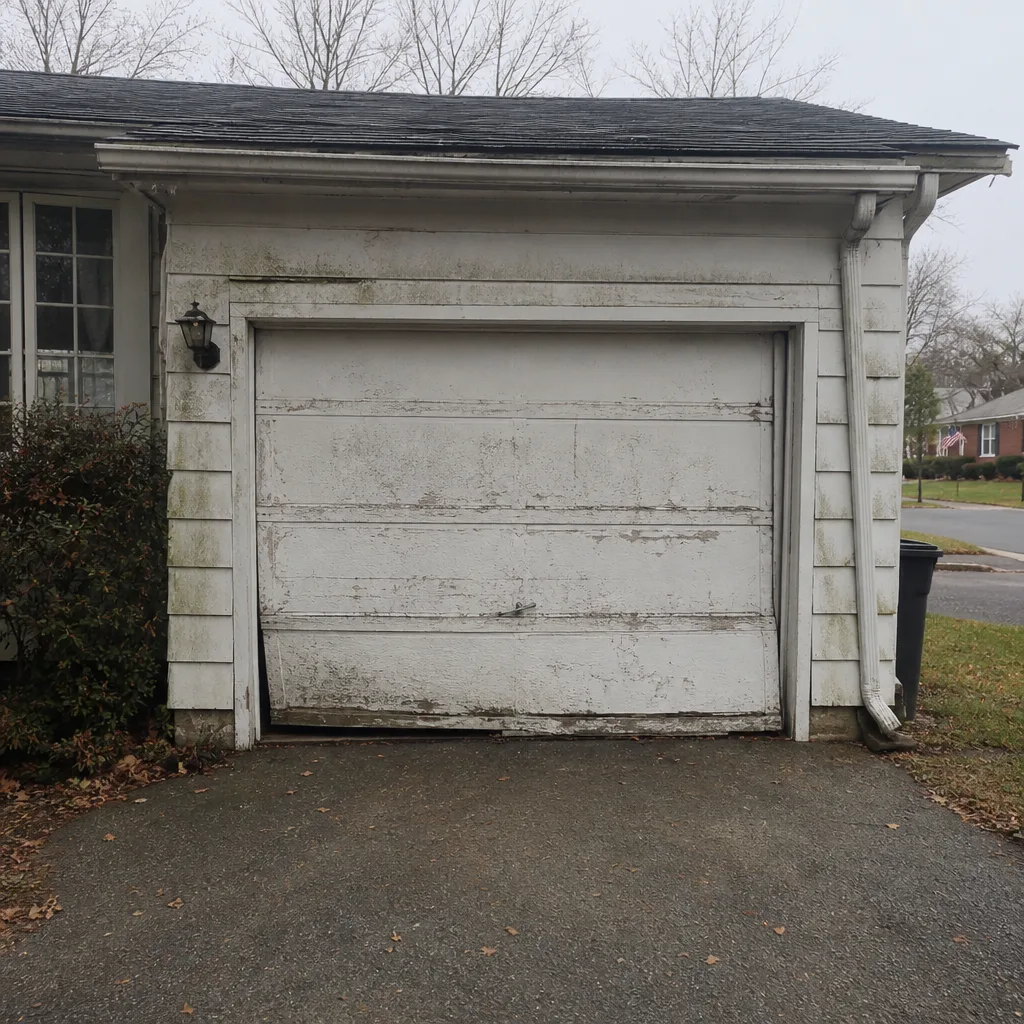
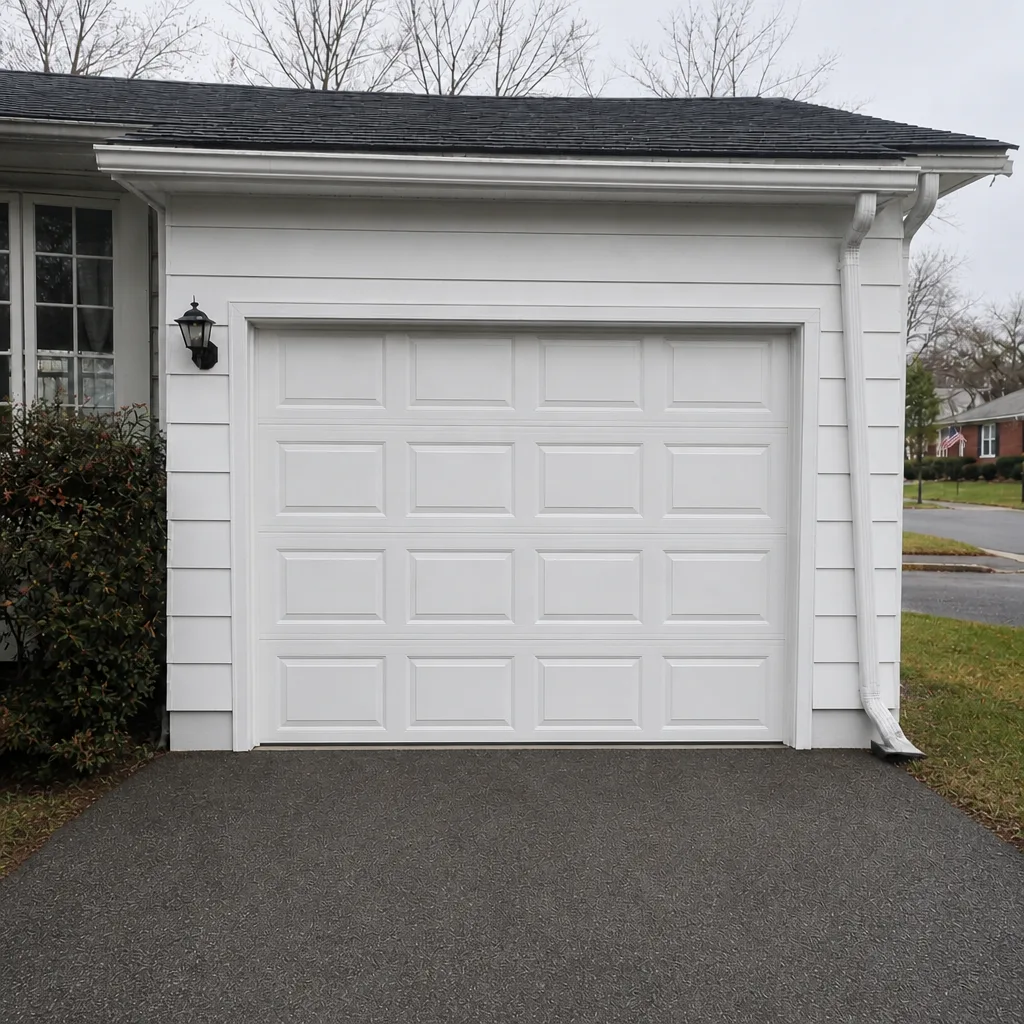
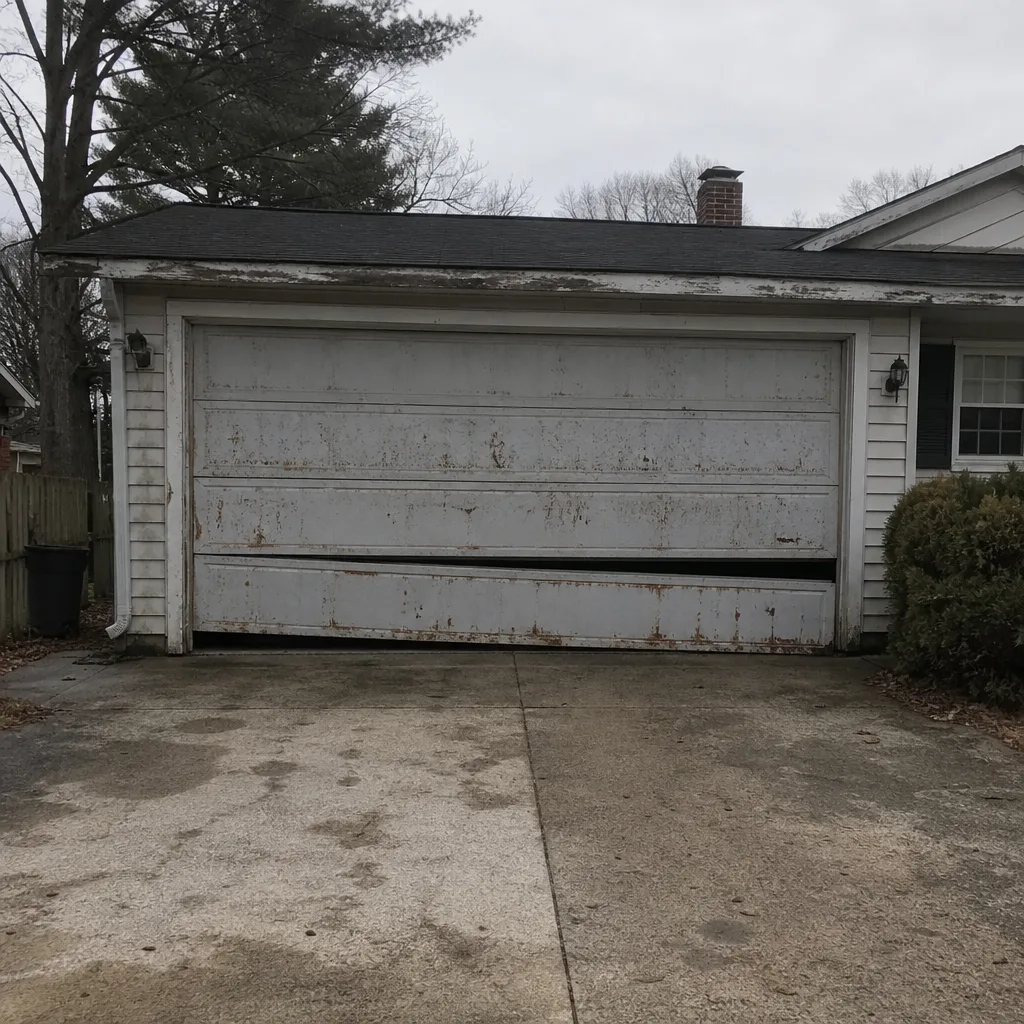 Before
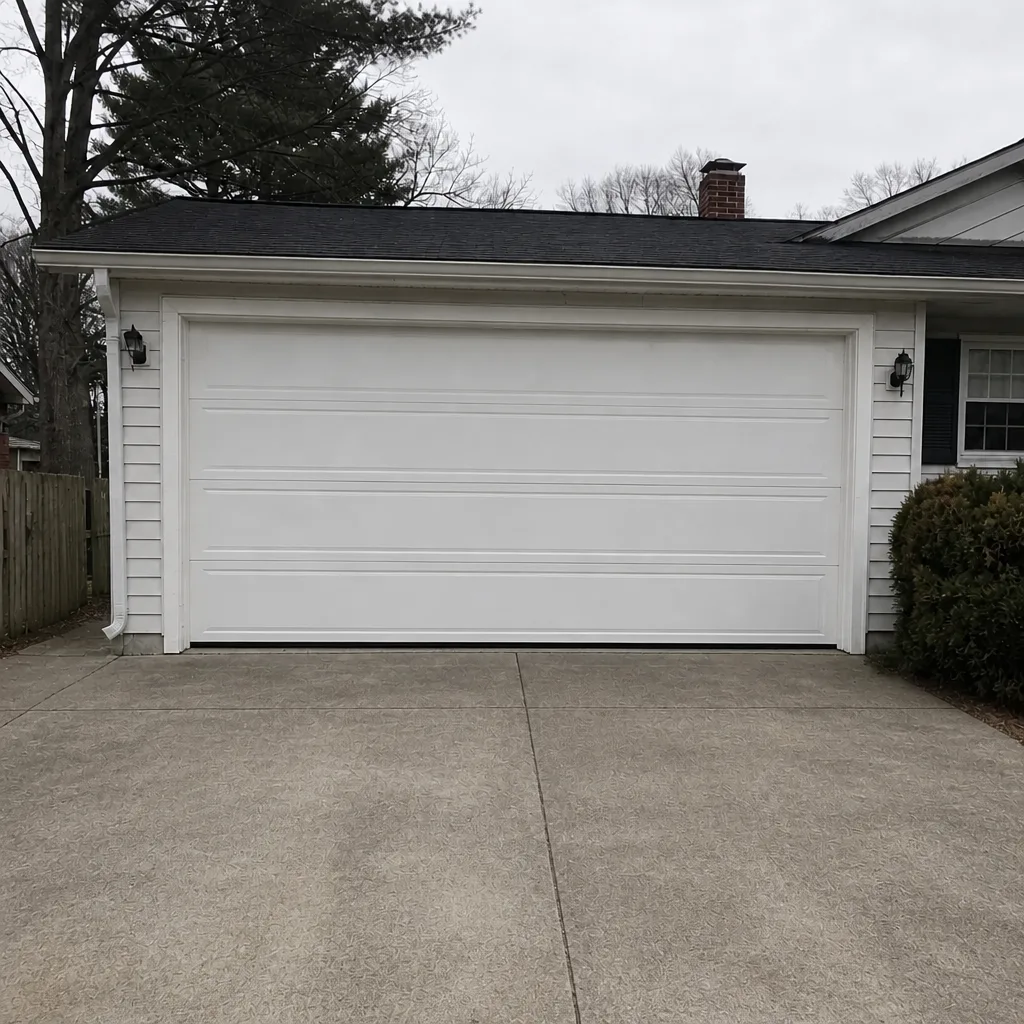 After
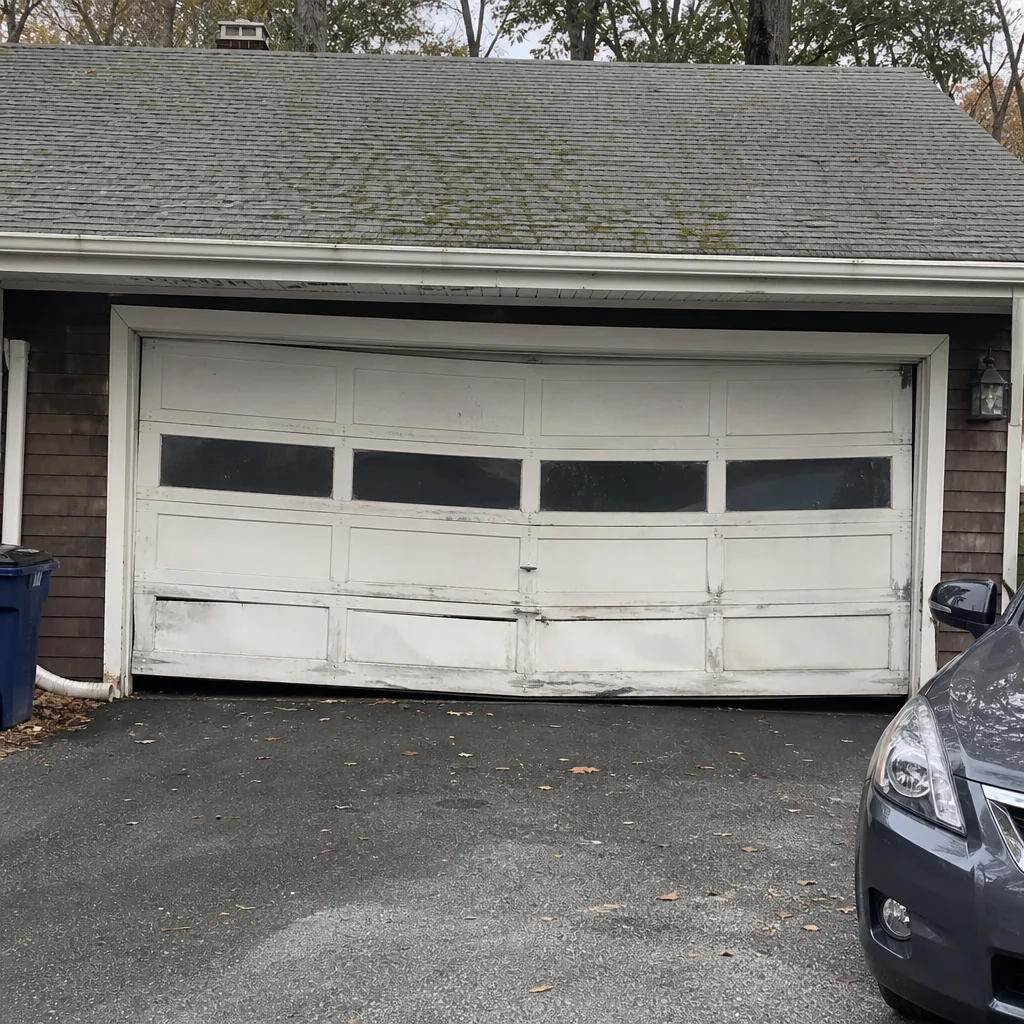 Before
 After
 Before
 After
When to Call a Professional
Some signs are genuinely fine to note and monitor. Others aren’t. Call a garage door specialist the same day if the door has become suddenly heavy, if you’ve seen frayed cable strands, if the door reverses unpredictably, or if a loud bang has left the door unable to open. These are the signs where a small repair becomes an emergency if ignored. If you’re not sure which category your symptoms fall into, we can walk through them over the phone – there’s no charge for that and no obligation to book a visit.
Plymouth Garage Door Repair Co offers free estimates in Plymouth, and our technicians have up to 15 years of experience working across every major brand you’re likely to have on your door. We work on LiftMaster, Chamberlain, Genie, Clopay, Amarr, Wayne Dalton, Craftsman and Raynor hardware, so we arrive already familiar with the equipment instead of guessing. Call (866) 937-7208. We answer 24/7. Fast dispatch from 7am to 7pm, Sunday through Friday.
Frequently Asked Questions
A short hesitation before the door starts to move is usually an opener gear wearing out, a misaligned safety sensor, or the opener working against an unbalanced door. It’s not urgent the same way a snapped spring is, but it’s a sign the system is under strain and worth scheduling before it becomes a full failure. Call (866) 937-7208 for a free estimate – we can diagnose which component is the issue.
Freeze-thaw cycles in Plymouth stress metal hardware more than a milder climate does, so rollers, tracks and safety sensors are more prone to drifting out of tolerance between seasons. The main signs – grinding, hesitation, cable fraying and reverse issues – show up earlier and more consistently here. That’s helpful: it gives you a wider window to schedule a repair before the door fails outright.
Yes. With the door closed and the opener disconnected, lift the door about a foot by hand. If it feels very heavy, the spring is doing little or none of the work, and that’s a spring problem. If releasing the door at waist height makes it drop fast or rise on its own, the balance is off. Never reach into the spring assembly – the stored tension is dangerous – and leave replacement to a professional.
A single very loud bang followed by the door becoming very heavy or not lifting at all is the classic sign of a snapped torsion spring. Stop using the door immediately and call a specialist. Operating a door with a snapped spring is a safety issue, not an inconvenience, because the door’s full weight is now on the opener and cables. Call (866) 937-7208 – we answer 24/7, with fast dispatch from 7am to 7pm, Sunday through Friday.
Yes. Do a monthly balance test, a quarterly visual check on cables and rollers, and listen for changes in sound. Test the safety reverse. Keep the bottom seal intact. None of these replace a professional inspection, but they catch the small problems while they’re still small, which is the whole point of reading the signs.
The local professionals we connect you with are licensed and insured as their state requires. Plymouth Garage Door Repair Co is a dedicated garage door specialist – spring repair, opener repair, repair of the mechanical components, and full-door installation are all handled by the same trade. The price is quoted and agreed before any work starts. Call (866) 937-7208 for a free estimate.
The Bottom Line
Garage door failure is almost always preceded by a trail of specific symptoms – a hesitation, a squeal, a grinding at a certain point of travel, a door that reverses only in cold weather, a cable that has started to look fuzzy. Read together, those signals tell you what’s failing and roughly when to act. The rule of thumb: adjustments and the early component repairs are cheap and worth doing at the first sign; frayed cables, reverse issues and a suddenly heavy door are worth calling about today; a snapped spring is stop-use-now. In Plymouth, the freeze-thaw climate makes those signals appear earlier than you might expect, which is a good thing – provided someone is reading them. When it’s time to call, call the trade specialist. Plymouth Garage Door Repair Co handles garage door repair, garage door spring repair, garage door opener repair, new installation and emergency service, and we work with the brands you already own. If you’d rather someone just look at the door and tell you what’s going on, we’re glad to do it. Call (866) 937-7208 for a free estimate. We answer 24/7. Fast dispatch from 7am to 7pm, Sunday through Friday.
Written by the team at Plymouth Garage Door Repair Co.