
Last updated November 22, 2026
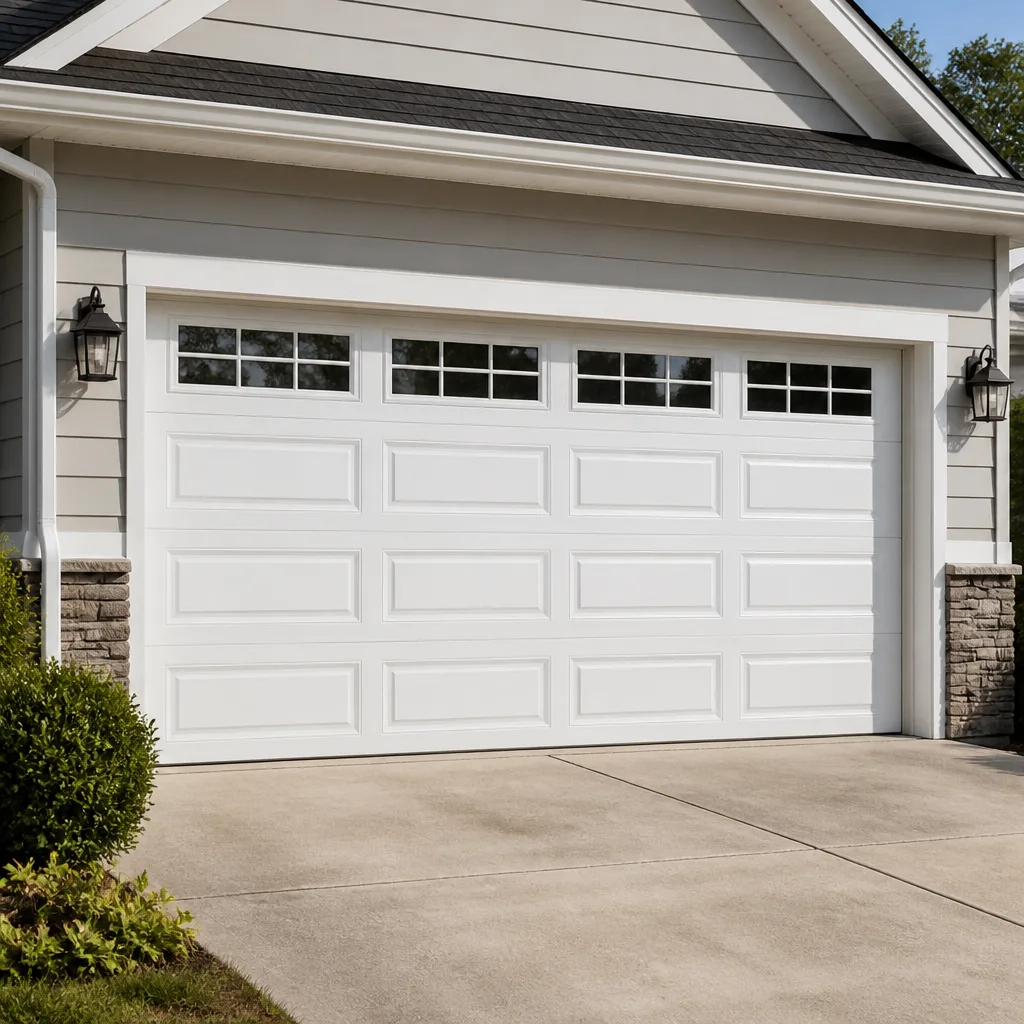 Raised-panel steel
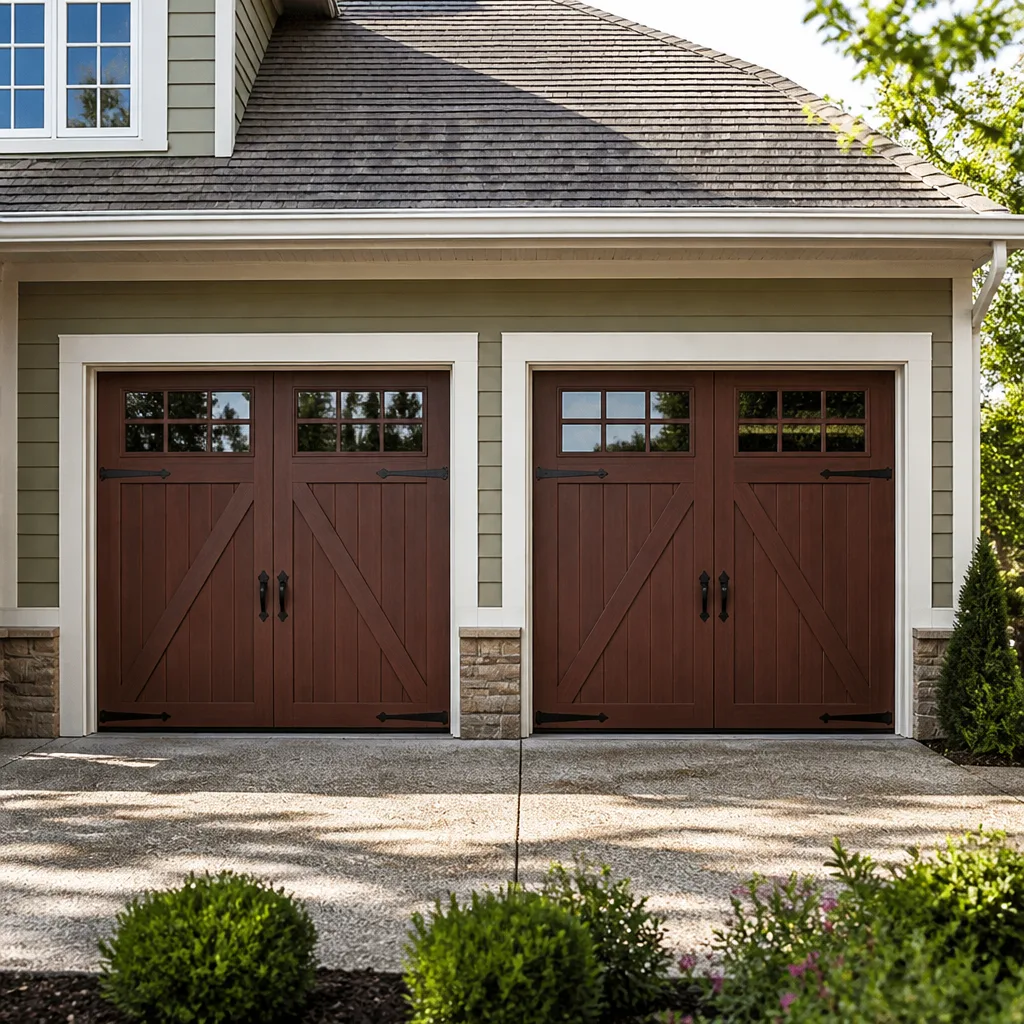 Carriage house
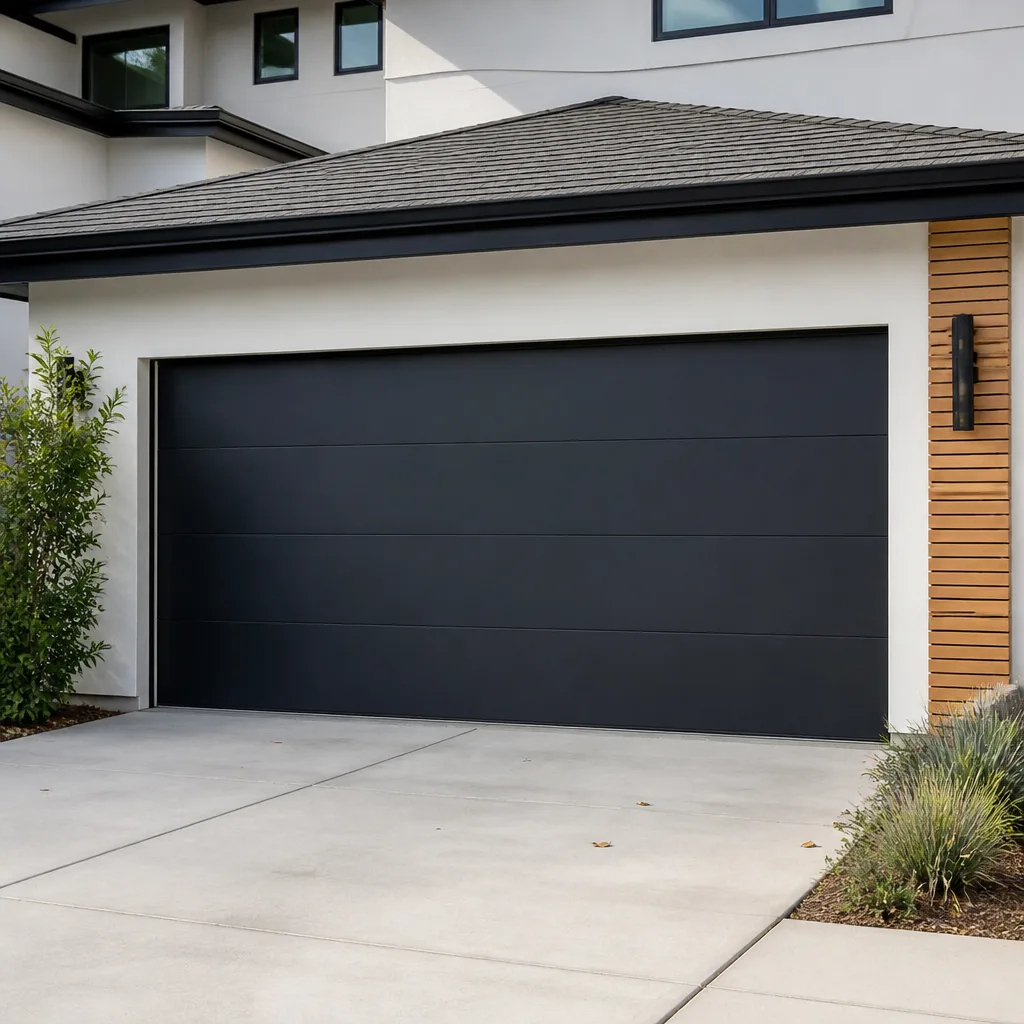 Modern flush
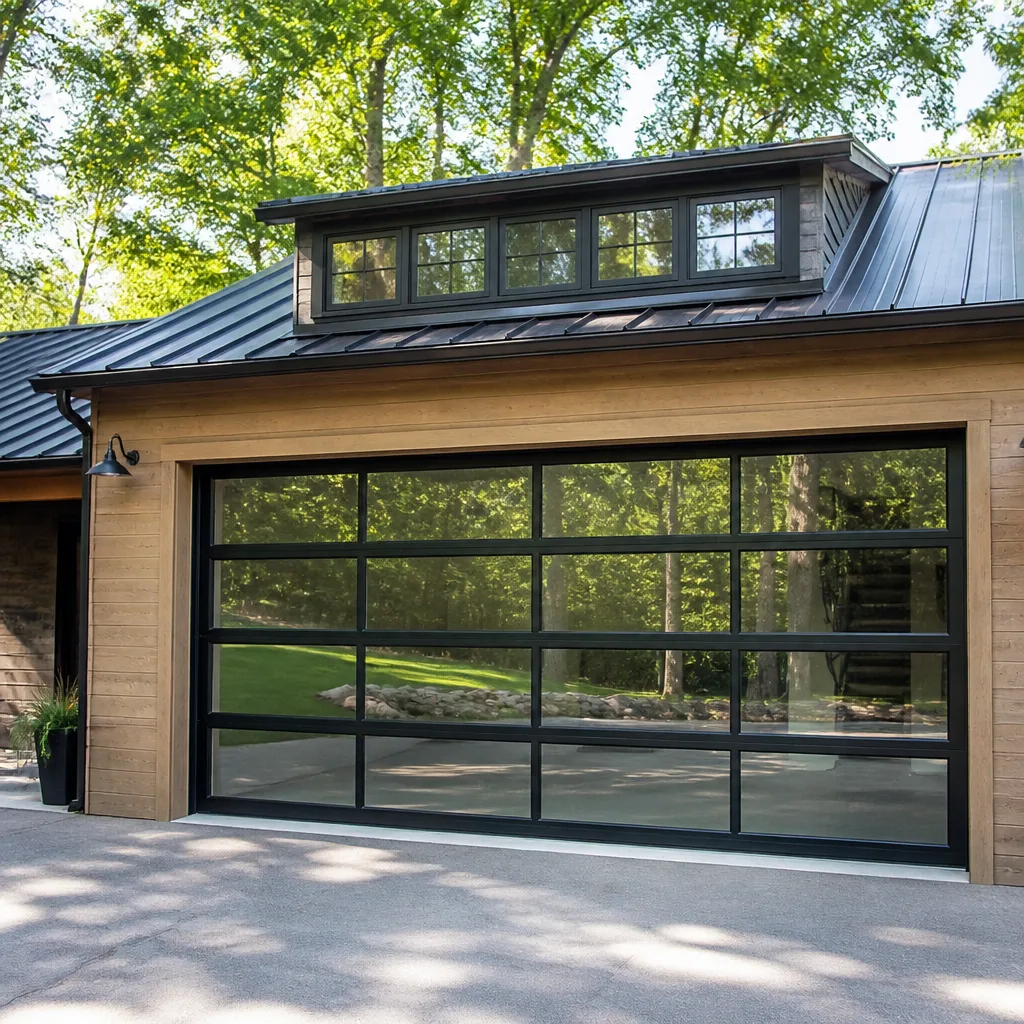 Full-view glass
 LiftMaster openers
 Chamberlain openers
Full 25-point door and opener safety check with every visit - springs, cables, rollers, tracks, and your LiftMaster or Chamberlain opener included
You get a price before we start. It does not change when the pro arrives.
Get your free estimateGarage Door Permits, Codes & Inspections in Plymouth, MA: What You Need to Know
Here’s the part most homeowners learn too late: a garage door replacement you think of as simple maintenance can cross the line into permitted construction, and the paper trail (or lack of one) can follow the house for years. The confusion is understandable. One Plymouth house gets a door swapped with no paperwork at all, the next needs a full permit because the opening changed, and nothing on either property tells you which situation you’re in. This guide walks through when Plymouth’s building department actually requires a permit for garage door work, how the Massachusetts State Building Code applies, how the inspection process runs, and what to do if earlier work was done without one. It’s written from Plymouth, for Plymouth homeowners who’d rather understand the rules before the closing table does.
Quick Answer
In Plymouth, a garage door replacement that changes the opening, the door’s weight or the door’s configuration generally requires a building permit, while a true like-for-like swap of the same size and type often does not. New installations and any structural work on the opening almost always need a permit. Because the Massachusetts State Building Code (780 CMR) governs wind load and fire-rated separation, the safest move is to confirm the requirement with Plymouth’s building department before work begins. We can’t issue a permit for you, but we can tell you what the scope involves so you ask the right questions.
Written estimates are free, and we answer 24/7. Call (866) 937-7208.
Styles & brands we work with
- Raised-panel steel
- Carriage house
- Modern flush
- Full-view glass
- LiftMaster openers
- Chamberlain openers
Table of Contents
- Why Garage Door Permits Matter More Than Most Homeowners Realize
- When Does Plymouth Require a Permit for Garage Door Work?
- What “Like-for-Like Replacement” Really Means (and When It Doesn’t Apply)
- Massachusetts Building Code: Wind Load and Fire-Rated Separation Explained
- How the Plymouth Permit Process Actually Works, Step by Step
- What an Inspection Involves and What Inspectors Look For
- Already Have Unpermitted Work? Your Retroactive Options
- Common Mistakes to Avoid
Why Garage Door Permits Matter More Than Most Homeowners Realize
The permit question rarely matters until the day it suddenly matters a lot: when you sell. A buyer’s home inspector notes a garage door that doesn’t match the age or style of the rest of the house, the seller’s disclosure raises the question of whether a permit was pulled, and suddenly a job that was finished years ago becomes a negotiation. In a town like Plymouth, where housing stock ranges from older homes near the waterfront to newer construction off the main corridors, inspectors and buyers have learned to ask. An unpermitted structural change can stall a closing or push a buyer to demand a credit for work they’ll want redone correctly.
There’s a second, quieter reason permits matter. The Massachusetts State Building Code exists because garage doors are heavy, spring-loaded assemblies attached to a structural opening in a wall that may separate the garage from living space. A permit is the mechanism that ensures the installation was inspected against wind load and fire-separation standards, not just eyeballed by whoever showed up. When you have a licensed contractor pull a permit, the town reviews the plan and inspects the finished work, which is a layer of protection you don’t get from a cash job with no paperwork.
For homeowners in Plymouth, the practical takeaway is simple: understand the scope of your job before you assume it’s exempt. A door panel swap and a door size change look similar in a photo, but only one of them tends to require a permit. Getting clarity early saves you the awkward conversation later.
When Does Plymouth Require a Permit for Garage Door Work?
This is the question we hear most, and the answer depends on scope, not on the door’s price. As a general guide, here’s how the categories break down:
- New installation on new construction: A permit is required. The garage opening is part of the building envelope and must be inspected against the adopted code.
- Replacing a door with the same size, weight class and type: Often treated as exempt maintenance, but confirm with Plymouth’s building department before you assume it.
- Changing the door’s size, weight or configuration: Widening the opening, adding windows that change the door’s structural profile, or moving to a significantly heavier door typically crosses into permitted work because it affects the opening and the load on it.
- Structural changes to the opening (header, framing, lintel): A permit is required. This is no longer a door replacement, it’s building work.
- Replacing an opener only: Generally not a permit matter, since it’s an electrical appliance rather than a structural change, but it must be wired and installed to code.
We’ve learned to be direct with Plymouth homeowners: we’re a garage door specialist, not your building department, and the town has the final word. But we can tell you what your specific job involves so you ask the right question. If the scope is anything beyond a straight like-for-like swap, plan on a permit.
A quick call to Plymouth’s building department with the address, door size and the proposed change will get you a clear yes or no. That call takes minutes and settles the question for good. If you’re still choosing a door, our overview of garage door installation covers what changes trigger permitted work and what doesn’t.
What “Like-for-Like Replacement” Really Means (and When It Doesn’t Apply)
“Like-for-like” gets thrown around loosely, and that’s where trouble starts. In building-department terms, it means the new door matches the old one in size, mounting configuration, weight class and type. Same width, same height, same track layout, same general construction. If that’s your job, a Plymouth homeowner can reasonably ask whether a permit is needed at all. It’s a maintenance swap, not a structural change.
The exemption stops applying the moment the door isn’t truly like-for-like. Here’s where it doesn’t hold:
- Changing door weight: A heavier door changes the load on the header, the tracks and the spring system. That’s a structural consideration, not a cosmetic one.
- Adding windows that alter the door’s profile: Sectional doors with windows have a different structural makeup. Swapping a solid panel for a windowed one can change the door’s weight and performance.
- Widening or heightening the opening: Any change to the opening itself is building work and needs a permit.
- Switching door types: Going from a single-car sectional to a carriage-style door, or from a roll-up to a sectional, changes the tracks, the headroom and the load path.
- Fixing framing or a sagging header discovered mid-job: If the opening needs repair, that’s structural work the door can’t hide.
When we look at a Plymouth job and see that the new door isn’t dimensionally and structurally identical to the old one, we tell the homeowner to plan on a permit. It’s a short delay against a long-term headache. Door brands like Clopay and Amarr make it easy to match a replacement door to an existing opening, which keeps many swaps genuinely like-for-like, but only if the measurements line up.
Massachusetts Building Code: Wind Load and Fire-Rated Separation Explained
The Massachusetts State Building Code, known as 780 CMR, governs how garage doors are installed in this state, and two provisions matter most to Plymouth homeowners: wind load and fire-rated separation.
Wind load is the structural requirement that a door and its opening withstand the wind pressures the adopted code specifies for an area. Massachusetts pulls from the International Building Code model, which maps wind speeds by location. A garage door is a large, mostly flat surface attached to a framed opening. It’s the part of the wall most exposed to wind, so the code requires the door, the tracks and the framing to perform under those loads. A door that’s undersized for its opening or installed with insufficient reinforcement may look fine on a calm day and fail under wind pressure. That’s exactly what a permit review catches.
Fire-rated separation is the requirement that a garage attached to a house have a proper fire separation between the garage and the living space, typically through a rated wall, door and ceiling assembly. This is why an attached garage is not simply an adjacent room. When a garage door or its opening is replaced, the inspector checks that the fire separation hasn’t been compromised. A new door that seals improperly, or an opening modified without respecting the fire-rated barrier, can fail that standard.
Both provisions are the reason a permit and inspection exist. They’re not paperwork for its own sake; they’re the mechanism that confirms the heavy, load-bearing parts of your garage are safe.
Safety note: The springs and cables that counterbalance any garage door are under extreme tension and can cause serious injury. We don’t advise homeowners to adjust or replace them. That’s a job for a trained garage door specialist, and it’s the reason garage door spring repair is a service we treat as front-line work rather than a bundle-it-in extra.
How the Plymouth Permit Process Actually Works, Step by Step
If your job needs a permit, here’s how it typically unfolds in Plymouth. The timeline varies with the department’s workload and the season, so treat these as the steps, not a fixed clock.
- Confirm the requirement with Plymouth’s building department. Call with the address, the existing door’s measurements and the proposed change. The department tells you whether a permit is required and what documents it wants.
- Decide who pulls the permit. In residential work, the permit is usually pulled by the licensed contractor performing the job, or by the homeowner. In our experience, having the installing contractor pull it keeps the permit, the plan and the inspection aligned. If you’re replacing a door, your installer should tell you who’s filing.
- Submit the application with details of the work. The department will want the door specs, the opening dimensions and confirmation that the new door meets the code requirements for wind load and fire separation.
- Wait for the permit to be issued. Simple residential permits in Plymouth often move quickly, but don’t schedule the install until the permit is in hand. Doing the work first and asking for the permit after is the mistake that creates the problem.
- Complete the installation to the permitted plan. If the scope changes mid-job (found bad framing, discovered a sizing issue), stop and amend the permit rather than installing around it.
- Arrange the inspection. The town inspects the completed work. Once it passes, the permit is closed and the record shows the work was done to code.
The step homeowners underestimate is the fourth. The temptation to get the door on before paperwork catches up is real, but doing the work first turns a routine permit into a retroactive problem. We raise it early with every Plymouth client because a working door installed to plan and a working door installed before the permit are two very different things at resale.
What an Inspection Involves and What Inspectors Look For
An inspection isn’t a re-installation. The inspector is confirming that what was built matches what was permitted and meets the code. In a garage door job, that generally means checking:
- The door and opener match the permitted specs: the make, model and dimensions on paper are what’s on the house.
- Wind-load performance: the door and its tracks are rated and installed for the opening, with any required reinforcement in place.
- Fire separation: the separation between the attached garage and the living space is intact and up to standard.
- Safe operation: the door is balanced, the springs and cables are correctly installed, the tracks are aligned, and the automatic reversal and safety sensors on the opener function as they should.
- Clearance and connections: the door moves freely through its full travel and the electrical connection for the opener is properly done.
Inspectors want to see the finished work, so any issue they find is something you’d rather catch now than at resale. If the door fails for a missing reinforcement, an improperly anchored track or a defective safety reversal, the fix is usually small if addressed at the inspection and expensive if it surfaces years later. When we install, we walk the job ourselves before the inspection so the town visit is a formality rather than a surprise. That’s true whether it’s a Clopay or Amarr door, or a Wayne Dalton opener we’re replacing.
Already Have Unpermitted Work? Your Retroactive Options
If a garage door was replaced without a permit and it needed one, you’re not stuck. Plymouth homeowners have a few options, and the right one depends on how the work was done.
- Pull a retroactive permit. Many building departments allow a homeowner to apply for a permit after the fact, with an inspection to confirm the work meets code. If it does, the permit can be issued and closed, and the record is corrected. This is usually the cleanest path if the installation itself is sound.
- Have the work inspected and corrected if needed. If the installation has issues (undersized door, missing reinforcement, compromised fire separation), the fix is brought up to standard, then the permit closes.
- Ask the department what it will accept. Some situations can be resolved with an inspection and documentation rather than a full re-do. The department’s requirements depend on the specific scope.
- Get it sorted before you list. Unpermitted work is far easier to resolve while you own the home than to negotiate over at closing.
The key is not to let it sit. An unpermitted garage door replacement is a manageable problem when you deal with it, and a price-reduction conversation when the buyer’s inspector finds it. If you’re not sure what you’re dealing with, we can look at the door and its opening and tell you what the record should show, so you can ask Plymouth’s building department the right question with the right details in hand.
Common Mistakes to Avoid
- Assuming every garage door replacement is exempt. A true like-for-like swap often is, but a heavier door, a size change or added windows usually isn’t. Confirm before you order.
- Skipping the opening measurement before ordering. A door that doesn’t fit the existing opening forces structural work, which forces a permit. Measure twice, order once.
- Letting the installer “handle it later.” Work done before the permit is issued creates the retroactive problem. The permit comes first.
- Not amending a permit when the scope changes. If framing needs repair mid-job, stop and amend. Installing over a compromised header is a fail at inspection.
- Treating the opener as if it’s the door. Replacing an opener is usually not a permit matter, but the door it operates still has to meet the structural requirements. Don’t let an opener swap paper over a door problem.
- Leaving unpermitted work undocumented before a sale. This is the one that costs the most. Resolve it while you own the home, not at closing.
- Adjusting your own springs or cables to save a call. Those components are under severe tension, and a mistake can cause serious injury. Leave spring and cable work to a trained specialist.
See the difference
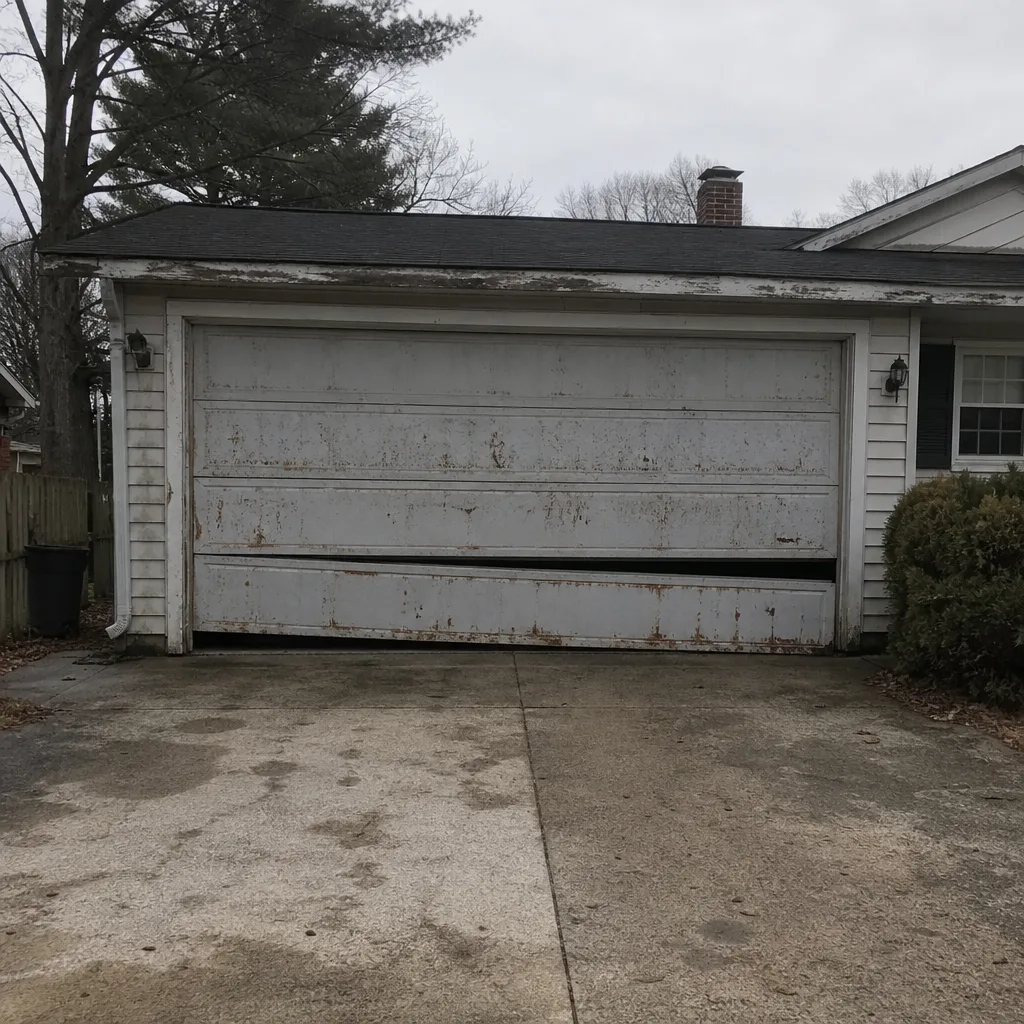 Before
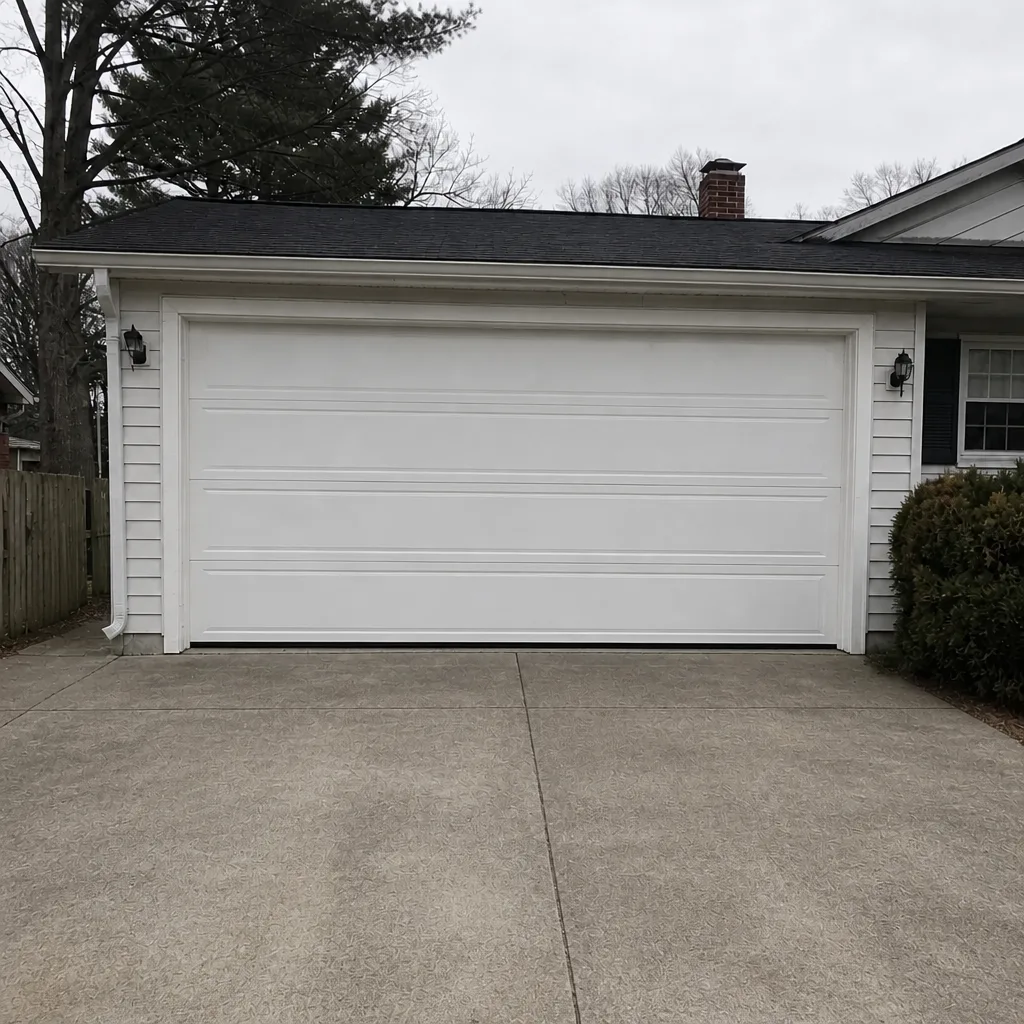 After
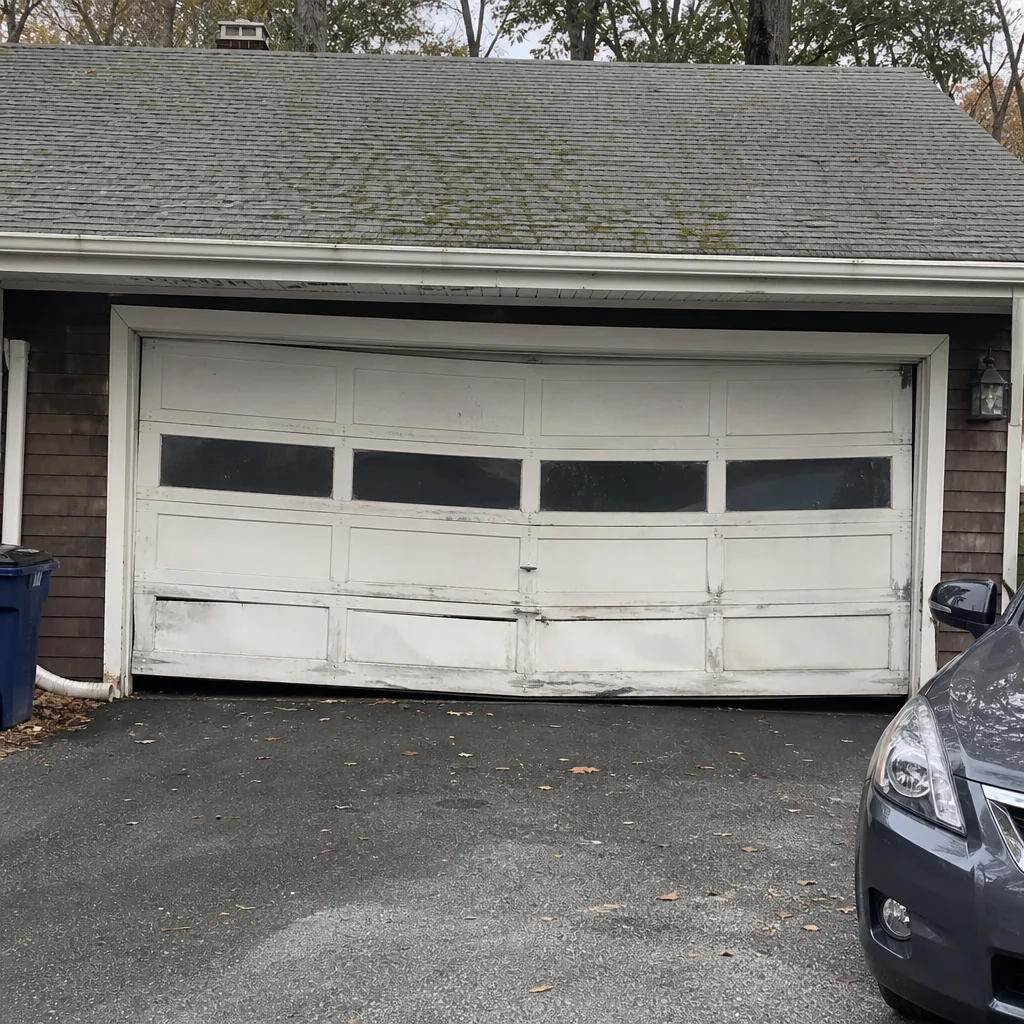 Before
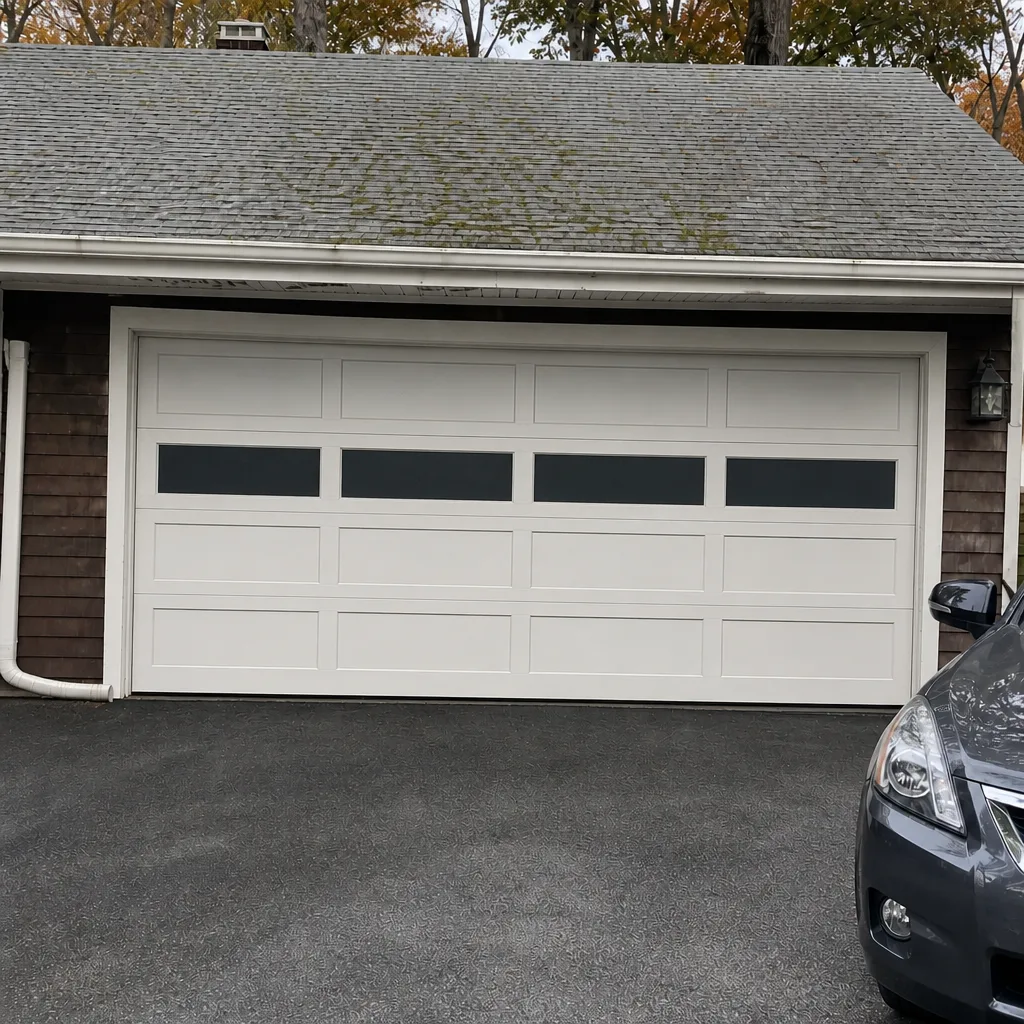 After
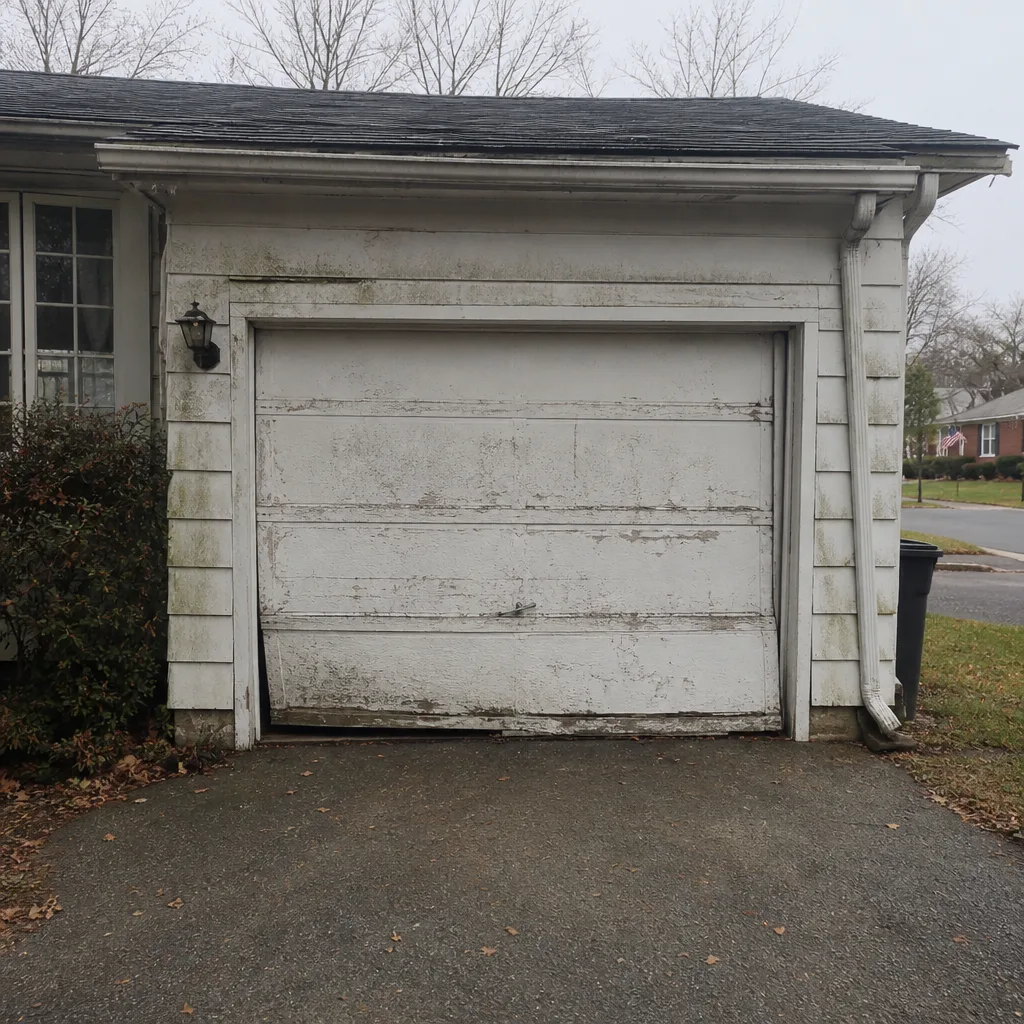 Before
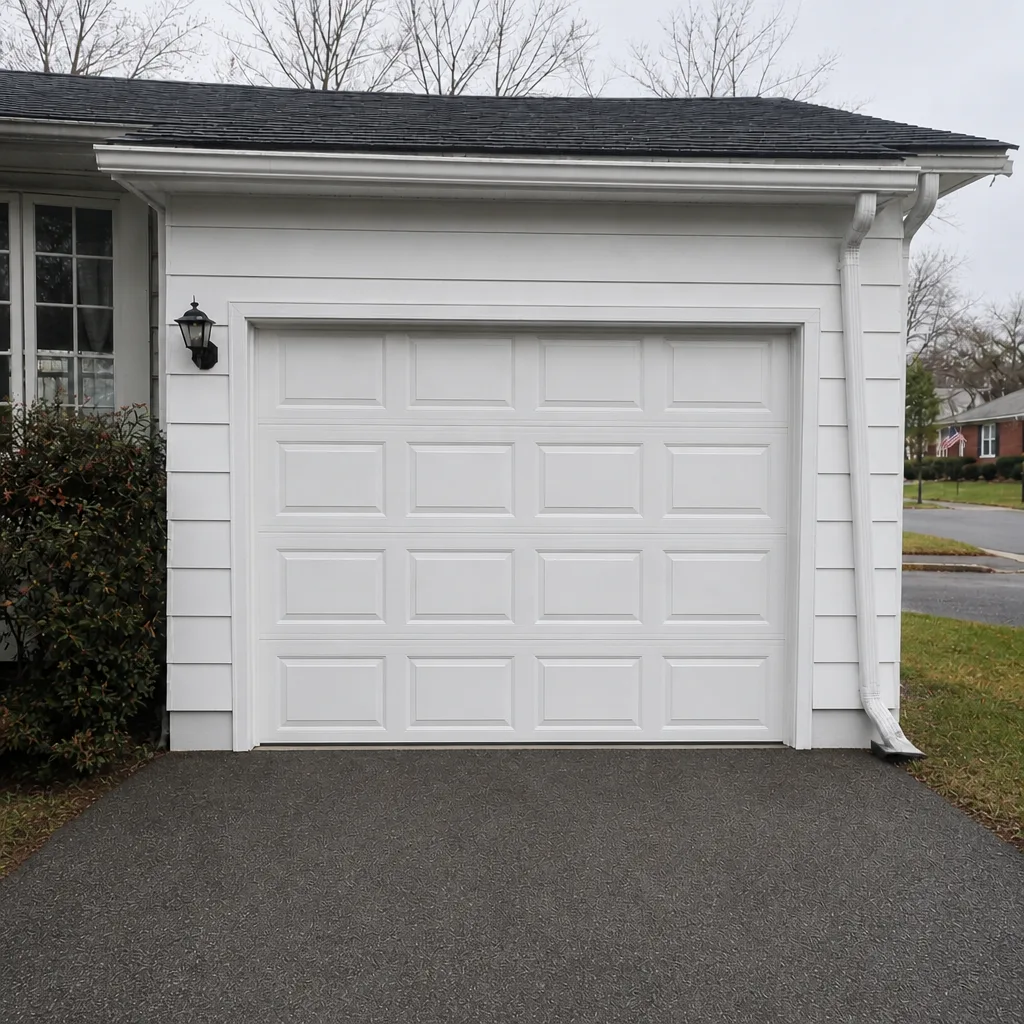 After
When to Call a Professional
Some jobs are straightforward and some aren’t, and the ones in the second group are where a specialist earns their keep. Call a garage door professional when the door is out of balance, when a spring has snapped, when the door won’t close or open fully, or when the opener runs but the door doesn’t move. Call when you’re planning a replacement and aren’t sure whether your job crosses into permitted work. Call if an inspector, appraiser or buyer has challenged past door work. And call before you touch a spring or cable yourself. Plymouth Garage Door Repair Co offers free estimates in Plymouth, and we can look at your door and opening and tell you what the scope actually involves, so your permit questions get answered before the paperwork starts. Call (866) 937-7208. We answer 24/7. Fast dispatch from 7am to 7pm, Sunday through Friday.
If you need us out today, our garage door repair service is set up for time-critical failures like a trapped car or a door stuck open, and our garage door opener repair service covers the electronics on the modern Wi-Fi openers and the older mechanical units alike. Our technicians have up to 15 years of experience, and they work on the major brands you’re likely to have, including Clopay, Amarr, Wayne Dalton and Craftsman. We’re factory-familiar with eight of the market’s most widely installed manufacturers, so we’re not guessing when we see your hardware.
Frequently Asked Questions
It depends on the scope. A like-for-like replacement of a door with the same size, weight class and type often doesn’t require a permit, but a new installation, a size change, a weight change or any structural work on the opening generally does. Confirm with Plymouth’s building department before work starts, since the town has the final word. If you’re unsure what your job involves, call (866) 937-7208 for a free estimate and we’ll walk you through the scope.
A like-for-like replacement matches the old door in size, weight class and configuration, so the opening and structural load stay the same. A permitted change is anything that alters those: a wider or taller opening, a heavier door, added windows that change the door’s profile, or framing repair. Anything that changes the structural profile of the opening needs a permit. Call (866) 937-7208 with your door’s measurements and we’ll tell you what category your job falls into.
Generally no, since an opener is an electrical appliance rather than a structural change. But the door it operates still has to meet the code requirements for the opening, and the opener must be installed correctly with working safety reversal and sensors. If you’re replacing the door and the opener together, the door work is what drives the permit question. Call (866) 937-7208 to sort out which part of the job, if any, needs paperwork.
You can resolve it retroactively. Plymouth’s building department can typically issue a permit after the fact, with an inspection to confirm the work meets code, and corrections if it doesn’t. The problem is only unmanageable if you let it sit until resale. We can look at your door and opening and tell you what the record should show, so a call to the department is quick and specific. Call (866) 937-7208 to schedule a free estimate.
It varies with scope and the department’s workload, but the sequence is fixed: application, permit issued, installation, inspection, permit closed. The step most people get wrong is installing before the permit is issued, which turns a routine process into a retroactive one. We don’t issue permits, but we can tell you exactly what your job involves so your application has the right details. Call (866) 937-7208 to talk through your project.
The local professional performing the work is licensed and insured as their state requires, and the permit and inspection are done under the town’s process. For us, every estimate is free and the price is quoted and agreed before any work starts, so there’s no surprise invoice. Our technicians have up to 15 years of experience across the major brands. Call (866) 937-7208 for a free estimate.
The Bottom Line
A garage door permit isn’t about paperwork for its own sake. It’s the town’s way of confirming that the door, the opening and the fire separation meet the Massachusetts State Building Code, and that the work was done safely. In Plymouth, a like-for-like swap often doesn’t need one, while a new door, a size or weight change, or any structural work on the opening usually does. Confirm the scope with the building department, don’t install before the permit, and resolve any unpermitted work while you still own the home. If you’d rather have the scope sorted before you make the call, our garage door spring repair and installation teams can tell you what your job involves. And when you’re ready, call Plymouth Garage Door Repair Co for a free estimate. Call (866) 937-7208. We answer 24/7. Fast dispatch from 7am to 7pm, Sunday through Friday.
Written by the team at Plymouth Garage Door Repair Co.